
A stack of surplus pallets can become an expensive problem faster than most facilities expect. It takes up dock space, creates safety concerns, complicates housekeeping, and may eventually require a paid waste haul. The right pallet buyback program benefits your operation by turning reusable pallet inventory into a managed recovery stream rather than another disposal task for your team.
For warehouses, manufacturers, distributors, and retailers, the value is not limited to receiving payment for usable pallets. A well-managed program can reduce handling time, improve site consistency, support recycling goals, and give operations leaders better visibility into what is moving in and out of each location.
What a pallet buyback program does
A pallet buyback program provides a defined process for collecting surplus pallets and evaluating them for reuse, repair, recycling, or removal. When pallets meet the buyer’s size, condition, and volume requirements, the business may receive payment for that inventory. Pallets that are repairable may still have value, while heavily damaged material may need to be recycled or removed under a different service arrangement.
This distinction matters. Not every pallet stack has the same value, and an effective provider should assess the actual inventory rather than making a blanket promise. Standard 48-by-40 inch wood pallets in usable condition are often easier to remarket than uncommon sizes, broken pallets, or mixed loads. Volume, access to the loading area, local transportation costs, and pickup frequency also affect the outcome.
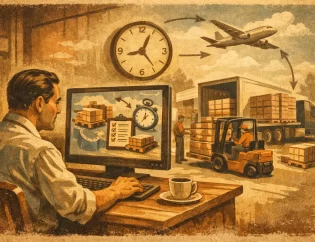
The practical advantage is that one provider can help determine the right path for each load. Instead of asking staff to sort out disposal, find a local buyer, schedule a separate carrier, and maintain records manually, the program creates one coordinated process.
Pallet buyback program benefits that affect daily operations
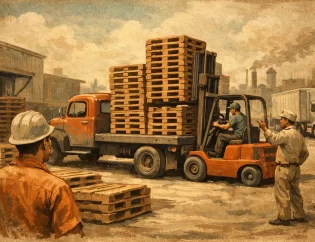
The most immediate benefit is reclaimed space. Surplus pallets tend to accumulate behind a building, beside receiving doors, or in corners of the warehouse where they interfere with traffic. Those areas are often needed for staged freight, returns, safety clearances, or seasonal inventory. Regular pickup keeps pallet volume from becoming a bottleneck.
There is also a labor benefit. When no formal recovery process exists, employees move pallets multiple times: first out of the way, then into a temporary pile, then again when a hauler or buyer arrives. A scheduled buyback and pickup process reduces unnecessary touches. That can be especially useful for sites where shipping and receiving teams are already managing tight dock schedules.
Cost control is another reason many operations teams use buyback programs. Paying a waste provider to remove reusable pallets can mean losing value twice – once through the disposal charge and again through the lost opportunity to sell recoverable material. When inventory qualifies for buyback, the pallets can generate revenue. When it does not, a managed recycling or removal option still helps prevent surprise hauling costs and last-minute cleanup work.
A program also improves consistency. Local sites often solve pallet accumulation differently, particularly in multi-location organizations. One warehouse may use a recycler, another may call a waste company, and a third may let pallets build up until the issue becomes urgent. Centralizing pickup and transaction management helps establish a repeatable standard across the network.
Revenue is useful, but predictability is often more valuable
It is reasonable to focus on the payment received for surplus pallets. For high-volume facilities with consistent standard pallets, buyback revenue can offset operating expenses and create a more productive use of material that would otherwise sit idle.
Still, the strongest business case is usually broader than the per-pallet price. A warehouse manager needs dependable removal when inventory reaches a threshold. A facilities team needs clean exterior areas. A procurement or sustainability leader needs documentation that supports responsible material handling. Predictable service can be worth more than chasing a slightly higher price from an inconsistent local buyer.
The trade-off is that payments depend on market conditions and pallet quality. A business should avoid budgeting buyback revenue as a fixed amount unless its pallet mix, volumes, and service terms are highly consistent. Treat the revenue as a recovery opportunity, while treating scheduled removal, space management, and reduced administrative work as the core operational gains.
How pallet condition affects program value
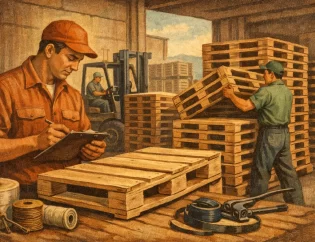
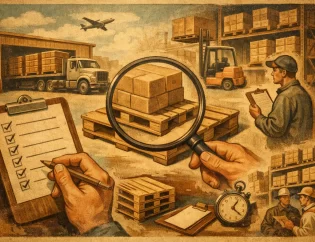
A buyback program works best when the pickup provider can quickly identify what can be reused and what should be recycled. Reusable pallets generally have sound deck boards, stable stringers or blocks, manageable repair needs, and dimensions that fit ongoing market demand. Clean, dry pallets that have been stored off the ground are easier to assess and handle.
Pallets with extensive breakage, contamination, mold, embedded debris, or nonstandard construction may have limited resale value. That does not mean they must remain on site. They can often enter a recycling stream, but the service model may change from direct payment to free pickup or paid removal depending on the material, quantity, location, and handling requirements.
Facilities can improve results by keeping reusable pallets separate from obvious scrap where possible. Complete sorting is not always practical, and your team should not have to create a labor-intensive new process just to request a pickup. Even a basic separation between standard reusable pallets and damaged material can make assessment faster and prevent usable inventory from being treated as waste.
Better tracking for multi-location businesses
For a single warehouse, an occasional pickup may be enough. For a company with several distribution centers, retail backrooms, plants, or cross-dock locations, pallet recovery needs more structure. Without centralized records, it is difficult to know which sites are generating surplus, which are paying for removal, and where reusable pallets are leaving the business.
A managed program gives decision-makers a clearer view of pickup activity, pallet volumes, and transactions by location. This can support more accurate cost allocation and help identify operational patterns. For example, one facility may be receiving more one-way pallets than it can use, while another may have ongoing pallet supply needs. Visibility makes those conversations more productive.
Tracking also reduces administrative friction. Rather than relying on emailed receipts, phone notes, and site-by-site vendor invoices, teams can work from a more consistent record of requests and completed service. For national or regional operations, this is one less concern for your business and one less vendor process for site managers to manage.
Sustainability results that are practical to report
Wood pallets are a recoverable business material, not automatically waste. Reusing a sound pallet extends its working life. Repairing one that can safely return to service preserves more of the material’s value. Recycling pallets that cannot be reused helps keep wood material out of the waste stream.
These outcomes support sustainability goals, but they also make operational sense. A recovery program gives businesses a more responsible alternative to landfill disposal or uncontrolled accumulation. It can be particularly valuable for organizations working to improve waste diversion, supplier standards, or environmental reporting across their facilities.
The claim should match the work being done. A credible program does not assume every collected pallet is reused. It identifies the best available route for each condition category: resale, repair, recycling, or appropriate removal. That approach is both more transparent and more useful for internal reporting.
Setting up a program that works at your site
Start by looking at the pallets your facility actually generates. Note the common sizes, approximate weekly or monthly volume, typical condition, and where the material is stored. Also consider access: Can a truck reach the pallets safely? Is there a dock, forklift, or loading area available? These details affect pickup scheduling and help avoid avoidable service delays.
Next, establish a clear trigger for pickup. Some businesses schedule recurring service based on normal volume. Others request collection once they reach a set number of stacks or need to clear space before a busy season. The right approach depends on your shipping patterns, available yard space, and how quickly pallets accumulate.
Finally, use a provider that can handle more than one outcome. Your inventory will not always look the same from month to month. A practical pallet management partner can buy reusable pallets when value is present, collect recyclable material when needed, and help arrange pallet supply when operations need replacements. That flexibility keeps the program useful even when volumes and conditions change.
A pallet buyback program should make the dock, yard, and back office easier to manage. When surplus pallets have a defined path out of the facility, your team can spend less time reacting to stacks and more time keeping products moving.