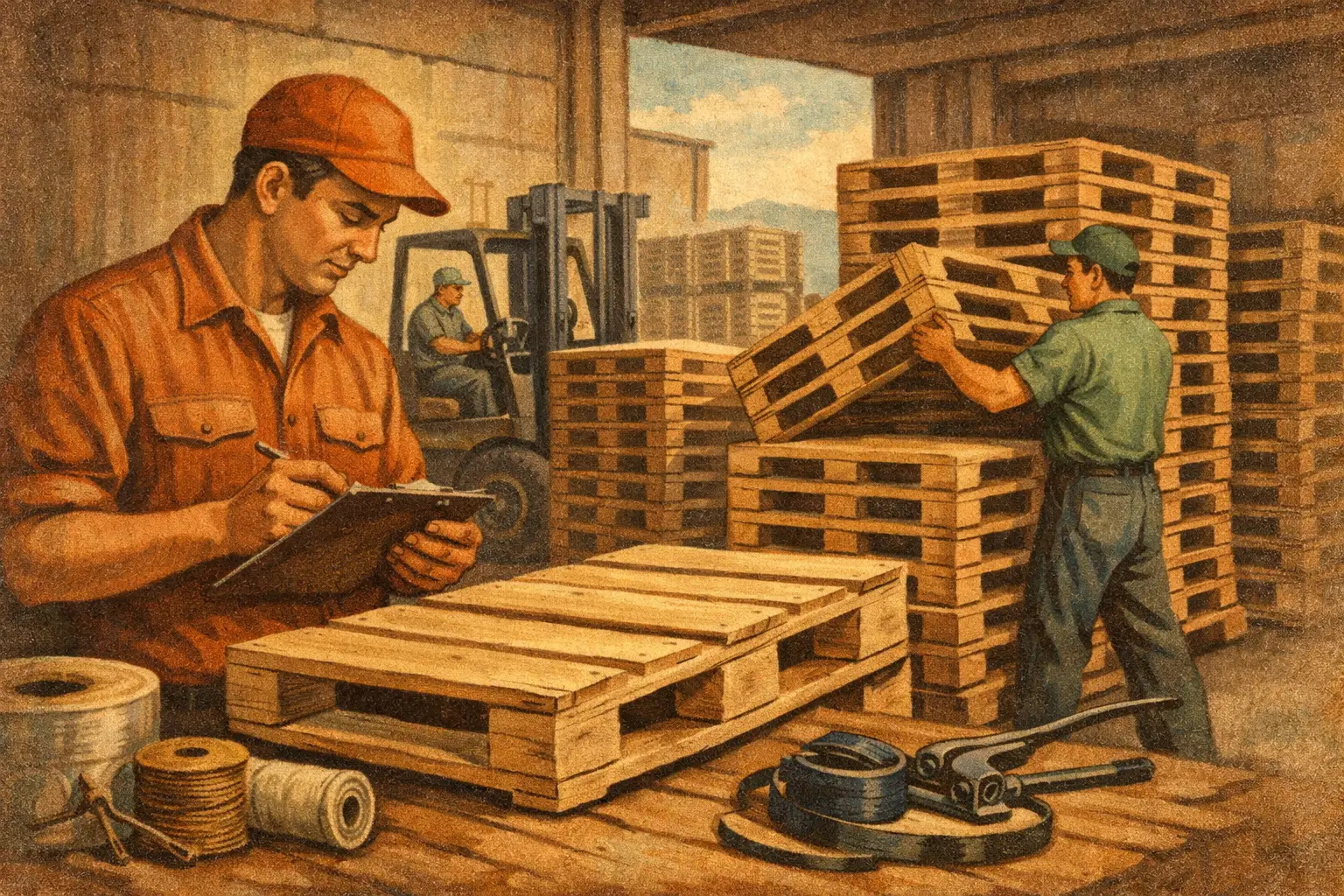
A stack of surplus pallets can be an avoidable hauling expense or a recoverable business asset. The difference usually comes down to condition, consistency, and how the pallets are handled before a buyer or recycler sees them. Knowing how to prepare pallets for resale helps warehouses, manufacturers, distributors, and retailers recover more value while keeping loading areas safer and more organized.
The goal is not to make every pallet look new. It is to separate reusable inventory from material that needs repair or recycling, then present the usable pallets in a condition that makes collection and resale efficient. A clear process also gives your operations team a better picture of what is leaving each site and why.
Start With a Safe, Usable Collection Area
Before inspecting individual pallets, establish one designated area for surplus pallet inventory. Keep it accessible to forklifts, away from active traffic lanes, and clear of loose boards, shrink wrap, damaged product, and other debris. A clean staging area reduces handling time and lets a pickup provider assess the load quickly.
Avoid mixing pallets with general wood waste. Once broken pallets are combined with scrap lumber, cardboard, metal, or contaminated materials, they become harder to sort and may lose resale value. If space is limited, create separate stacks for reusable pallets, repair candidates, and recycling material.
Stack pallets evenly on a stable surface. Leaning stacks create a safety concern and can cause further damage to deck boards, stringers, and blocks. As a practical rule, use a stack height your team can safely manage with available equipment and that fits your facility’s safety requirements.
Inspect Pallets Before You Sort Them
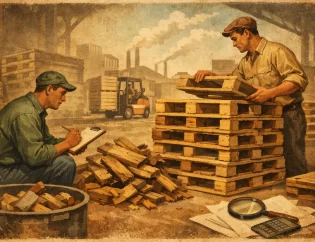
A quick visual inspection is usually enough to identify whether a pallet is suitable for resale. Focus on structural condition, cleanliness, and compatibility with common buyer requirements. You do not need to spend excessive labor on a detailed inspection of every board, but obvious defects should be identified early.
Look for cracked stringers, split blocks, missing deck boards, exposed nails, major twisting, and damage from forklift tines. A pallet with one damaged board may be repairable. A pallet with multiple broken components, severe warping, or weak structural support may be better suited for recycling.
Cleanliness matters as much as structure. Pallets with chemical spills, oil saturation, mold, food residue, paint buildup, or unknown contamination can be difficult or impossible to resell. Keep contaminated pallets isolated from clean wood inventory. This protects the rest of the load and allows the material to be handled through the appropriate disposal or recycling channel.
Check for Heat-Treatment and Customer-Specific Markings
Some pallets carry heat-treatment markings or ownership stamps. Heat-treated pallets may be useful for certain shipping requirements, while branded, painted, rental, or customer-owned pallets may not be eligible for resale. Do not assume every pallet in a receiving area belongs to your business simply because it is on site.
Review your receiving procedures and supplier agreements before selling marked pallets. If ownership is unclear, separate those units until the issue is resolved. This small step prevents avoidable disputes and keeps your resale inventory accurate.
Sort by Size, Style, and Condition
Mixed loads are common, but they typically take longer to evaluate and may be worth less than consistent stacks. Sorting pallets by size and style allows buyers to identify reusable inventory faster and gives your business a more reliable count.
Start by separating standard 48-by-40 pallets from nonstandard sizes. Then group pallets by construction type, such as stringer pallets, block pallets, two-way entry, or four-way entry. If your operation handles specialty pallets, keep those units separate as well. Oversized, heavy-duty, plastic, and custom-built pallets often require a separate assessment because their resale market differs from standard wood pallets.
Within each size group, create simple condition categories. For example, place clean, structurally sound pallets in a resale stack; pallets with minor repair needs in a repair stack; and broken or contaminated units in a recycling stack. Consistency is more useful than an overly complicated grading system. Your team should be able to make the same decision across shifts and locations.
Make Minor Repairs Only When the Economics Work
Repair can increase the value of a usable pallet, but not every damaged unit is worth repairing in-house. The decision depends on labor availability, replacement material, safety training, and the expected market value of the pallet after repair.
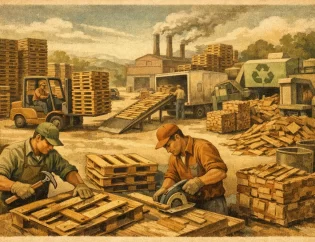
Minor repairs may make sense for common pallet sizes when the damage is limited to a deck board or a small number of fasteners. However, pallets with damaged stringers, multiple broken boards, poor alignment, or repeated repairs may cost more to fix than they are worth. Improper repairs can also create safety and liability concerns for your facility and the eventual user.
If pallet repair is not a core part of your operation, it is often more efficient to separate repairable units and let a qualified pallet recycler evaluate them. This keeps warehouse labor focused on shipping, receiving, production, and other activities that directly support your business.
Count Inventory and Document What You Have
Accurate counts help you plan pickups, compare offers, and monitor pallet flows across locations. Count each stack after sorting, then record the quantity, size, type, and general condition. For larger sites, note the building, dock area, or yard location where the pallets are staged.
A simple record might identify 300 standard 48-by-40 reusable pallets, 75 repair candidates, and 40 recycling units. That level of detail gives a pickup provider enough information to determine whether the load qualifies for purchase, free pickup, paid removal, or a combination of services.
Photographs can also help, especially when pallets are unusual, heavily mixed, or stored at a remote site. Clear photos of the full stacks and a few close-ups of representative condition reduce back-and-forth communication before scheduling.
Store Resale Pallets to Prevent Further Loss
Pallets can deteriorate quickly when they are stored carelessly. Keep reusable pallets off wet ground when possible, and protect them from standing water, excessive moisture, and vehicle impact. Outdoor storage may be necessary, but it should be planned rather than treated as permanent overflow space.
Do not use resale pallets as barriers, makeshift ramps, or platforms for damaged inventory. Once a clean stack is repeatedly moved, overloaded, or exposed to forklift traffic, its condition can change fast. Marking the storage zone and training staff on where to place recovered pallets can reduce these losses.
For multi-location businesses, standardizing storage and sorting practices is especially valuable. When every site follows the same categories and count process, central teams can compare volumes, identify recurring waste issues, and coordinate pickups without relying on informal local procedures.
Schedule Pickup With Clear Information
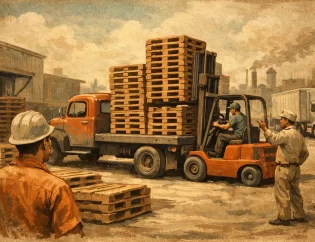
When you are ready to move the pallets, provide the pickup partner with the details that affect scheduling and value: approximate quantity, pallet sizes, condition, location, access limitations, and whether loading equipment is available. Mention if pallets are loose, stacked, indoors, outdoors, or mixed with other materials.
Timing also matters. Waiting until pallets overflow into loading lanes can force a rushed removal decision. Setting a pickup threshold, such as a certain stack count or trailer volume, makes pallet management more predictable. High-volume sites may benefit from recurring service, while lower-volume locations may only need pickup when inventory reaches a practical level.
A capable pallet management partner can assess whether pallets are suitable for resale, repair, recycling, or removal. The outcome depends on local demand, pallet type, quantity, condition, and access. Clear preparation gives you the best chance of recovering value while avoiding unexpected handling charges.
Build Pallet Recovery Into Daily Operations
The strongest resale programs are not built around occasional cleanup days. They are built into receiving, shipping, and housekeeping routines. Ask employees to place pallets in the right designated stack as they are generated rather than creating one large mixed pile for someone else to sort later.
Review the results regularly. If a site generates large volumes of broken pallets, look for the cause: forklift handling, trailer loading practices, poor-quality inbound pallets, weather exposure, or unsuitable storage. Reducing damage at the source can improve resale volume and lower the number of pallets that require recycling.
Preparing pallets for resale is a straightforward operational discipline: keep usable pallets clean, sorted, counted, safely stacked, and ready for collection. Done consistently, it turns surplus material into a managed resource and leaves your team with one less concern on the warehouse floor.