A stack of unwanted pallets can take over a loading area faster than most operations teams expect. What begins as a few damaged pallets behind the warehouse can become a safety concern, a source of hauling costs, and an obstacle to efficient shipping. Understanding how businesses recycle shipping pallets helps turn that accumulation into a managed process that can reduce waste, recover value, and keep facilities organized.
For warehouses, manufacturers, distributors, retailers, and logistics providers, pallet recycling is not simply a disposal task. It is part of managing material flow. The right approach depends on pallet condition, quantity, storage space, pickup access, and whether reusable pallets still have resale value.
How Businesses Recycle Shipping Pallets
Most commercial pallet recycling follows a practical sequence: collect the pallets, sort them by condition and type, repair those that can be reused, and process the rest into reusable material or wood waste. A pallet recycling partner coordinates these steps so the business does not have to maintain a separate process for every stack that appears at the dock.
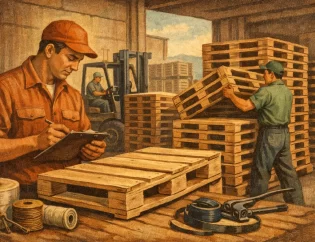
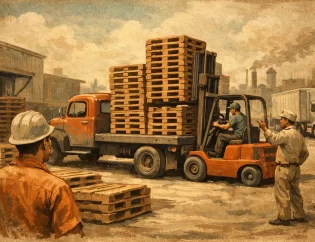
The first step is pickup coordination. Businesses schedule recurring or on-demand removal based on how quickly pallets accumulate. A high-volume distribution center may need regular service, while a smaller facility may only need a pickup when it reaches a certain quantity. Reliable scheduling matters because pallets stored too long consume valuable floor and yard space.
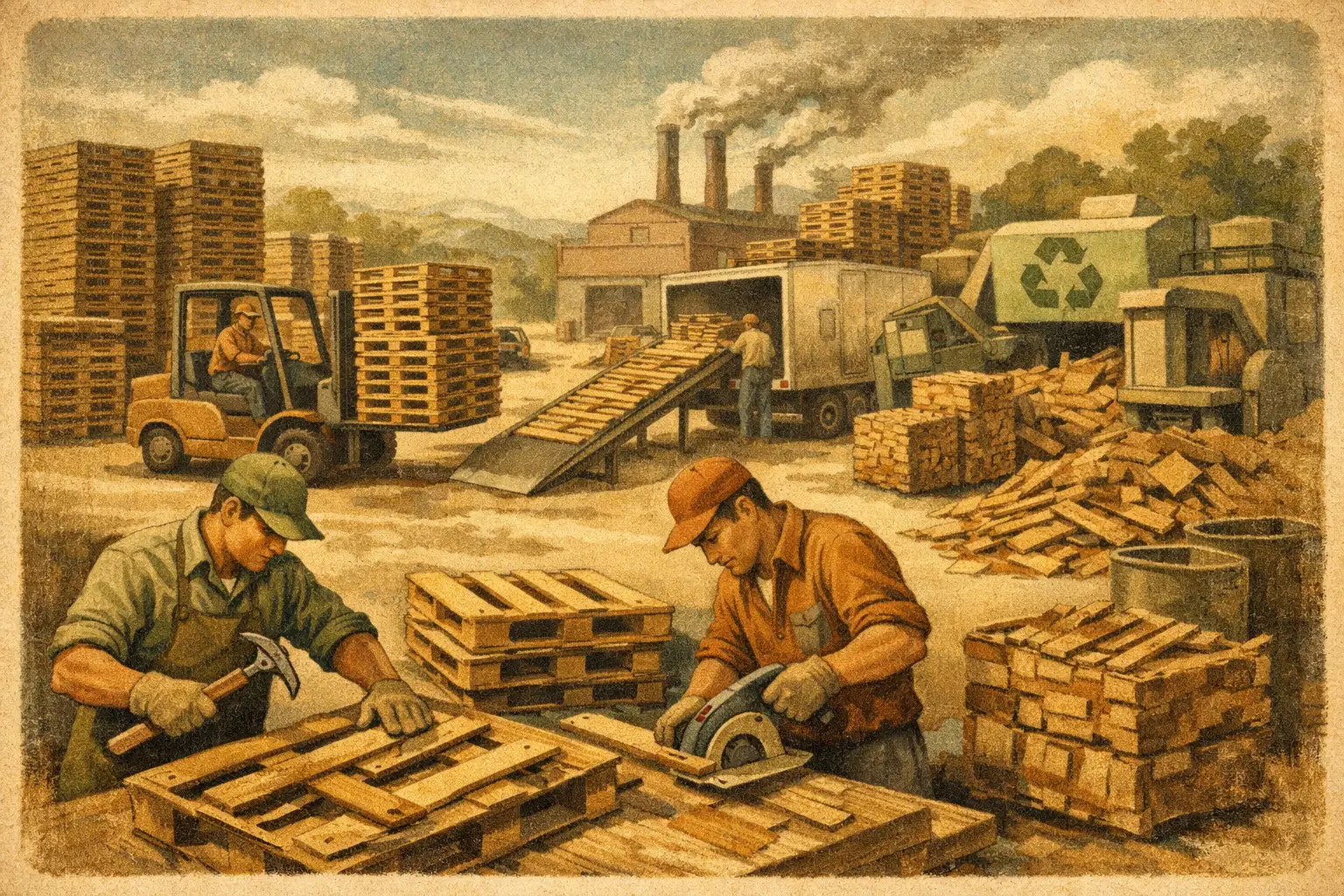
Once collected, pallets are typically sorted into reusable, repairable, and non-repairable categories. Sound pallets may be returned to the market with little or no work. Repairable pallets can receive replacement deck boards, stringers, blocks, or fasteners before being sold for another shipping cycle. Pallets that cannot be safely repaired are broken down, with usable lumber recovered where possible and remaining material directed to an appropriate recycling or disposal stream.
This hierarchy matters. Reuse generally preserves more value than breaking a pallet down for material, but reuse only makes sense when the pallet meets the requirements of its next application. A damaged pallet may be suitable for repair, while a pallet with significant contamination, structural failure, or unsafe protruding nails may need to be removed from circulation.
Sorting Determines Cost and Recovery Value
Not every pallet is worth the same amount. Standard wood pallets in good condition are often the easiest to resell or repair because demand is broad and replacement parts are readily available. Specialty sizes, heavy-duty models, block pallets, plastic pallets, and pallets with unusual construction may require separate handling.
For a business generating surplus pallets, condition is the main factor in determining whether pickup may be free, whether the inventory may have value, or whether paid removal is needed. Clean, consistent, reusable pallets in meaningful volume are more likely to create a recovery opportunity. Broken, mixed, wet, contaminated, or scattered pallets require more labor to sort and transport, which can change the economics.
That does not mean lower-grade pallets should remain on site. It means the pickup plan should reflect the actual inventory. Clear information about pallet size, approximate quantity, condition, and site access allows a recycling provider to schedule the right equipment and set appropriate expectations before arrival.
A simple internal sorting practice can improve outcomes. Keep reusable pallets separate from obvious scrap, and avoid mixing pallets with garbage, shrink wrap, hazardous materials, or other debris. This reduces handling time, improves safety, and makes it easier to identify inventory that could be repaired or resold.
Repair Extends the Life of Usable Pallets
Pallet repair is a central part of commercial recycling because a repaired pallet can re-enter the supply chain rather than becoming waste. Repair teams inspect the structure, remove damaged boards, replace components, and secure the pallet so it can perform safely in its intended use.
The repair standard should match the application. A pallet used for light warehouse storage may have different requirements than one used for heavy product loads, long-distance transport, or automated handling. Businesses should not assume every repaired pallet is interchangeable. Load weight, forklift entry, dimensions, product stability, and customer specifications all affect which pallet is appropriate.
For companies that also buy pallets, recycled and repaired inventory can be a practical supply option. It can help control purchasing costs while supporting a circular material program. The trade-off is that availability may vary by region, pallet specification, and market demand. If a facility needs a precise size or large quantity on a tight schedule, planning ahead is useful.
Material Recycling Handles Pallets Beyond Repair
When a pallet has reached the end of its usable life, recycling still keeps material out of the general waste stream whenever possible. Wood components may be processed into mulch, animal bedding, biomass feedstock, or other recovered wood products, depending on local requirements and the condition of the material.
Pallets should be evaluated carefully before they are chipped or processed. Materials that are painted, chemically contaminated, mold-damaged, or mixed with non-wood debris may need different handling. Facilities should also avoid burning pallets on site unless they have the required approvals and equipment. Treated wood, nails, coatings, and unknown contaminants can create safety and compliance concerns.
Plastic pallets follow a different recovery path. When they are no longer reusable, they may be sorted by resin type and processed through plastic recycling channels. Because plastic pallet programs vary, businesses should identify the pallet material and condition when requesting removal. Mixed material loads can complicate recycling and affect pickup options.
Build Pallet Recycling Into Daily Operations
The most effective pallet programs are built into everyday warehouse routines instead of being handled only when space becomes urgent. Assign a designated accumulation area that is accessible for pickup but does not interfere with vehicle traffic, pedestrian walkways, fire exits, or loading activity. Keep the stack stable and maintain clear access for the equipment used to remove it.
For multi-site operations, consistency is especially valuable. Each location should record pallet quantities, types, pickup dates, and transaction details in the same way. Centralized tracking gives operations, procurement, and sustainability teams a clearer view of where pallets are being generated, where usable inventory is being recovered, and where disposal costs are rising.
This visibility can reveal avoidable issues. One site may be discarding pallets that another location could use. A recurring buildup may indicate that pickup frequency needs to change. A high rate of damaged pallets may point to loading practices, forklift handling, or supplier quality problems that deserve attention.
Regular reporting also supports environmental goals. Businesses can document the volume of pallets recovered for reuse, repaired for another service cycle, or diverted from conventional disposal. The exact environmental benefit depends on pallet material, transportation distance, repair requirements, and the final recovery method, so claims should be based on actual program data rather than assumptions.
Choose a Partner That Can Adjust to Your Volume
Pallet recycling works best when the provider can respond to the realities of the site. A business with a few stacks of mixed scrap has different needs from a national retailer or manufacturer managing pallet movement across multiple locations. Pickup frequency, trailer access, pallet volume, and inventory quality all shape the right service model.
Look for a partner that can provide pickup coordination, assess whether pallets have recoverable value, manage repair and recycling channels, and provide transaction visibility where needed. A single point of contact can reduce the administrative burden of dealing with separate haulers, buyers, and pallet suppliers.
It is also helpful to establish expectations early. Confirm where pallets should be staged, what materials can be included, how pickups are requested, and what happens when volume changes. These details prevent missed pickups, disputed loads, and last-minute clutter at the dock.
A well-managed pallet recycling program does more than clear a yard. It gives your team one less operational concern, protects usable space, and creates a more responsible path for every pallet that enters your facility.