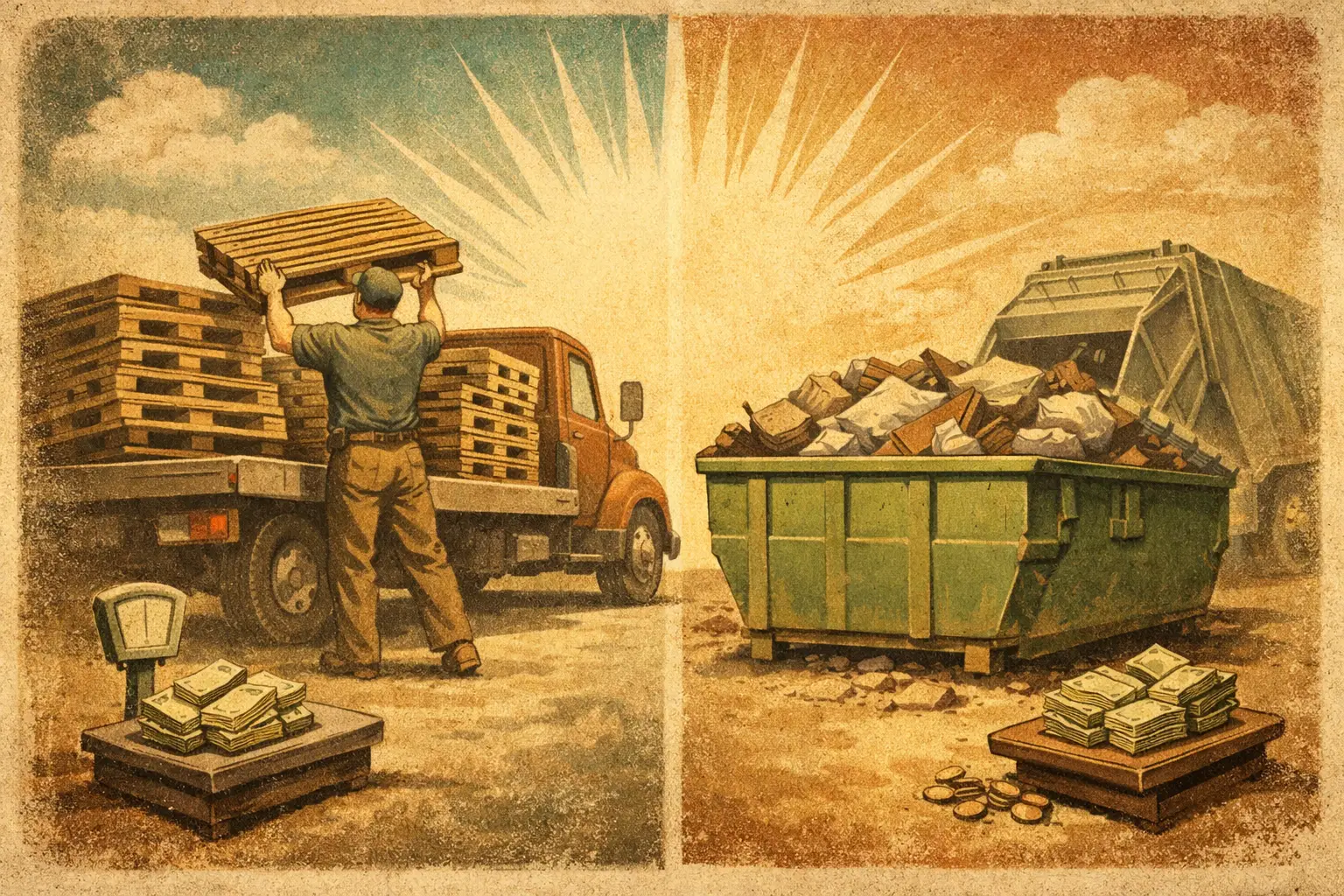
A loading area full of unwanted pallets can create a bigger operational problem than it first appears. When comparing pallet pickup vs dumpster rental, the right choice depends on more than the removal price. Your pallet volume, available space, material condition, pickup frequency, and ability to recover value all affect the real cost.
For businesses that generate pallets regularly, treating usable wood pallets as general waste can mean paying to discard an asset. On the other hand, a dumpster may be the practical answer when pallets are mixed with other debris, heavily damaged, or generated as part of a short-term cleanup. The key is choosing a disposal method that fits your operation rather than simply clearing space for the day.
Pallet Pickup vs Dumpster Rental: The Core Difference
A dumpster rental is designed for mixed waste. Your business rents a container for a set period, fills it with approved materials, and schedules haul-away when it is full. This approach can work well for construction debris, damaged packaging, broken fixtures, and other waste streams that cannot be reused or recycled easily.
Pallet pickup is a specialized service for surplus pallets. A pallet recycler or pallet management provider collects the pallets, assesses their condition, and routes reusable inventory toward repair and resale while directing unusable material to recycling. Depending on the pallet type, condition, and quantity, pickup may be free, require a removal fee, or generate payment for reusable pallets.
That distinction matters because pallets are not always waste. Standard 48-by-40 wood pallets in usable condition, for example, may have recovery value. A dumpster does not distinguish between a repairable pallet and broken lumber. Once the pallet goes into the container, its potential value is generally lost.
When a Dumpster Rental Makes Sense
Dumpster rental can be a sensible option when your facility has a broad cleanup project that includes far more than pallets. If a warehouse renovation produces damaged racking, drywall, old packaging, scrap material, and broken pallets, one container may be easier to manage than separate disposal streams.
It can also help when the pallet supply is heavily contaminated or structurally unsafe. Pallets exposed to chemicals, excessive moisture, food waste, or other contaminants may not be eligible for reuse. In those situations, proper waste handling takes priority over recovery value.
A dumpster may also suit a one-time event with unpredictable material. For example, a facility closing a department or clearing a long-unused storage area may need flexible capacity for mixed debris. However, managers should review the rental agreement carefully. Container size, rental duration, weight limits, prohibited materials, overage charges, and haul frequency can all change the final bill.
The main limitation is that dumpsters take up valuable yard or dock space. They can also encourage employees to place recyclable pallets and reusable materials into the waste stream simply because the container is nearby. For operations with a steady pallet flow, that habit can turn an avoidable hauling cost into a recurring expense.
When Pallet Pickup Is the Better Operating Model
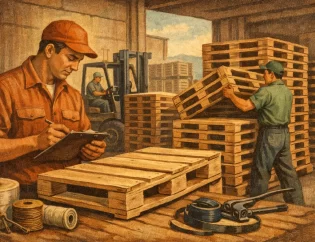
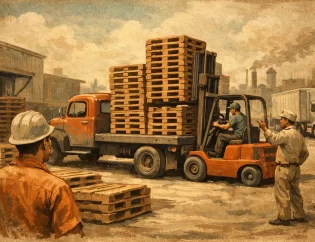
Dedicated pallet pickup is usually the stronger choice for warehouses, manufacturers, distributors, retailers, and logistics facilities that accumulate pallets as part of normal operations. Instead of letting stacks build up behind the building, the business establishes a pickup process based on volume and available storage space.
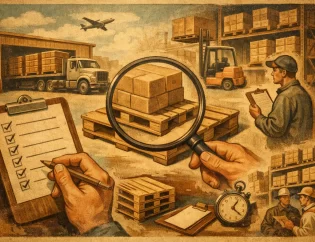
This approach is especially useful when pallets are separated and reasonably accessible. A provider can assess whether the inventory includes reusable standard pallets, oversized pallets, custom sizes, broken cores, or mixed grades. That assessment helps determine the appropriate service model and whether there is recoverable value.
For many businesses, the biggest advantage is administrative simplicity. Rather than coordinating waste containers, tracking landfill-related costs, and trying to find a buyer for usable pallets, a single pallet partner can manage collection, recycling, and future pallet supply. Pallet Pickup supports this model by coordinating collection and pallet management for commercial customers, helping facilities turn surplus inventory into one less concern for their business.
Pallet pickup can also support cleaner, safer facilities. Organized pallet stacks reduce blocked access areas, help protect fire lanes, and make loading zones easier to manage. Scheduled collections give warehouse teams a predictable outlet for material that would otherwise become clutter.
Compare the Full Cost, Not Just the Haul Rate
The lowest quoted removal price is not always the lowest total cost. Before choosing between pallet pickup and a dumpster, consider what happens before, during, and after the material leaves your site.
A dumpster rental can include delivery, rental, pickup, disposal, fuel, and possible overage fees. If pallets are bulky but light, they may fill the container before reaching its weight limit, requiring another haul sooner than expected. If a container remains on-site for weeks, it also occupies space that may be needed for trailers, returns, staging, or employee parking.
Pallet pickup costs vary based on quantity, location, pallet type, stack condition, and whether the pallets can be repaired or resold. High-volume, reusable inventory may offset removal costs or produce a return. Low-volume, mixed, damaged, or difficult-to-access pallets may require paid removal. A dependable provider should explain the service arrangement upfront rather than promising value without reviewing the material.
There is also a labor cost to consider. A mixed dumpster may seem simple, but it can require employees to break down pallets, move material across the yard, or repeatedly reorganize overflowing containers. A scheduled pallet pickup program gives teams a defined location and process for staging pallets, which can reduce handling and keep dock operations moving.
Recycling and Sustainability Are Practical Business Factors
For commercial operations, sustainability is often tied directly to cost control, customer expectations, and internal reporting. Reusable pallets can be repaired and returned to the supply chain. Pallets that cannot be repaired can often be processed into wood fiber, mulch, animal bedding, biomass material, or other recycled products, depending on local capabilities and material condition.
Using a specialized pallet service helps keep this material out of the general waste stream when recovery is possible. That can support waste-diversion goals without adding a complicated new process for warehouse staff.
The benefit is not just environmental. Separating pallets from mixed debris makes it easier to understand how much material your operation is generating and where value may be leaking out. For multi-site companies, centralized transaction records and consistent pickup practices can provide better visibility than each location arranging disposal independently.
Questions to Ask Before You Decide
Start by looking at your actual pallet stream for a typical month. How many pallets accumulate? Are they standard sizes? Are they stacked, dry, and accessible? Are they mostly reusable, mostly broken, or mixed with other waste?
Then consider your operational needs. A business with 500 reusable pallets each month has a different solution than a retailer with 20 damaged pallets after a seasonal reset. A manufacturing site with recurring pallet volumes may benefit from scheduled pickups, while a one-time warehouse cleanout may need both a dumpster for mixed debris and a separate pallet collection for recoverable inventory.
It is also worth asking who owns the process internally. If site managers are calling different local vendors, handling one-off invoices, and chasing irregular pickups, a centralized pallet management partner can reduce that burden. The right service should fit your volume today while remaining flexible as your network, shipping patterns, or pallet requirements change.
A clear loading area, a defined pallet staging process, and the right removal partner can prevent small piles from becoming costly operational distractions. Review what is actually in your pallet stack before sending it to a dumpster. You may find that better pickup planning creates more space, less waste, and a more manageable operation.