A stack of used pallets can become an expensive warehouse problem quickly. It occupies dock space, creates safety concerns, complicates traffic flow, and may lead to unnecessary disposal charges. But businesses that recover value from used pallets can turn that same inventory into resale revenue, reduced removal costs, and measurable progress toward waste-reduction goals.
The opportunity depends on more than the number of pallets on site. Pallet size, condition, material, market demand, storage space, and pickup volume all affect the outcome. A practical recovery program starts with understanding what you have and creating a consistent process to keep reusable pallets out of the waste stream.
Why used pallets have commercial value
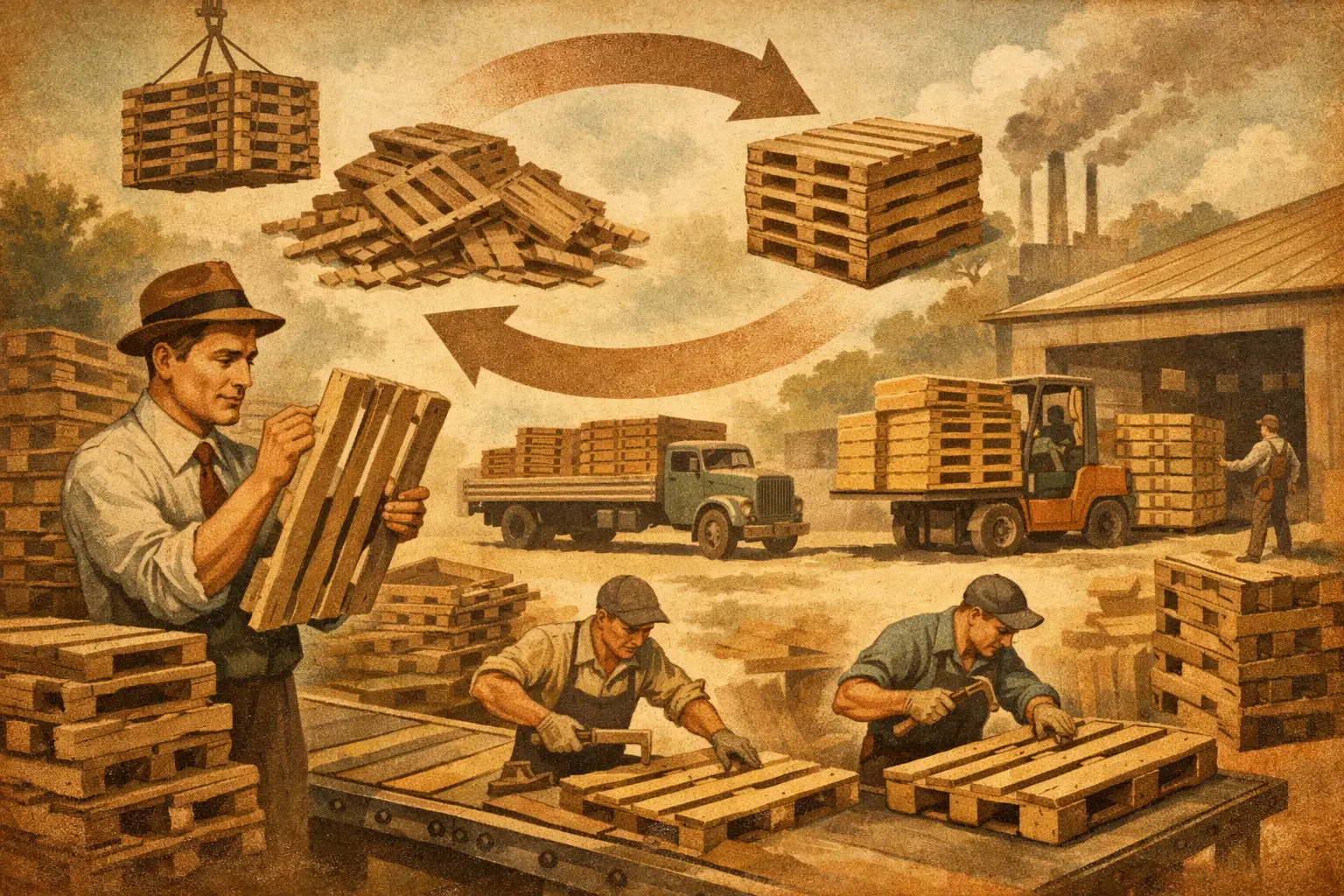
Pallets are built to move goods repeatedly. Even when they are no longer suitable for one operation, many can still be repaired, reused, or recycled into other products. A standard wood pallet with sound deck boards, stringers, and overall structure may have immediate resale value. Pallets with minor damage may be repairable. Those that cannot be repaired can often be broken down for recycling rather than sent for disposal.
For warehouse and facility teams, the value is not limited to a payment for surplus pallets. Removing accumulated pallets can reduce labor spent moving stacks around the property, free staging space, and avoid the cost of general waste hauling. When pickup is scheduled around actual volume and pallet condition, the process becomes part of normal site operations instead of a recurring cleanup issue.
The strongest results usually come from treating pallets as a managed asset category, not as loose scrap material. That means separating them early, documenting volumes, and working with a provider that can assess whether pickup is free, paid, or eligible for direct compensation.
How to recover value from used pallets
Start with a practical pallet assessment
Before arranging removal, identify the types and condition of pallets your site generates. Standard 48 x 40 wood pallets are commonly in demand, but other sizes may also have value depending on regional supply needs. Block pallets, stringer pallets, heat-treated pallets, plastic pallets, and custom-sized pallets should be kept separate where possible.
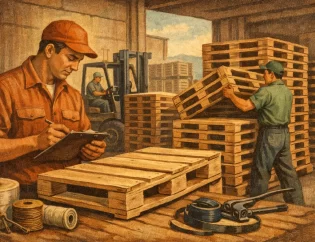
Condition matters just as much as type. Reusable pallets should be stacked apart from visibly broken inventory. Look for missing boards, cracked stringers, exposed nails, contamination, moisture damage, and severe structural failure. Your team does not need to perform a formal grading process, but a basic separation gives a pickup provider a clearer view of the inventory and helps prevent reusable pallets from being mixed with disposal material.
A simple internal labeling system can help. Designate areas for reusable standard pallets, nonstandard pallets, repairable pallets, and broken wood. Clear staging reduces the time employees spend sorting at pickup and makes future collections more predictable.
Protect reusable inventory from avoidable damage
Pallet value declines when usable inventory is stored poorly. Leaving pallets exposed to standing water, forklift traffic, or mixed waste can turn saleable units into recycling material. Storing stacks on level ground, away from compactors and waste containers, helps preserve their condition until pickup.
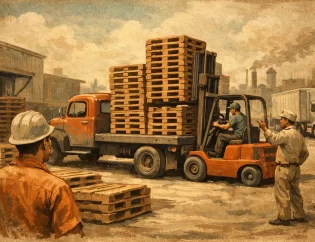
Stack height also requires attention. Overstacking can create a safety risk and increase breakage when pallets are moved. Follow site safety procedures and keep stacks stable, accessible, and clear of loading lanes. If pallets regularly accumulate faster than your team can manage them, the answer is usually more frequent scheduled pickup, not a larger pile.
For businesses with multiple facilities, consistent handling standards are especially useful. When every location uses the same categories and staging expectations, it becomes easier to compare volumes, identify recurring issues, and coordinate service without relying on site-by-site guesswork.
Match the service model to your pallet volume
Not every pallet pickup has the same financial outcome. High volumes of reusable pallets may qualify for direct payment. Mixed pallets with a meaningful reusable portion may support free pickup. Low-volume, heavily damaged, contaminated, or nonstandard loads may require paid removal because transportation and processing costs exceed the recoverable value.
That is not a setback. Paid removal can still be the better operational decision when pallets are taking up valuable space, creating a safety concern, or triggering higher waste costs. The goal is to understand the economics before the pallets become a problem, rather than assuming every load has the same value.
A dependable provider should explain the basis for the service arrangement and adjust it as your pallet mix changes. A distribution center may generate strong reusable volume during one season and more damaged pallets during another. Flexible pickup terms are more useful than a one-size-fits-all approach.
Build pallet recovery into receiving and shipping routines
The most efficient recovery programs do not depend on a major cleanup day. They are built into the normal flow of work. Receiving teams can direct incoming pallets to the proper staging area as freight is unloaded. Shipping teams can set aside outgoing excess pallets as they clear dock lanes. Facility leads can review stack levels during regular safety walks.
This approach reduces handling because employees sort pallets when they first become available, rather than moving the same material several times later. It also gives managers a more accurate picture of generation volume. If one dock creates a disproportionate number of damaged pallets, that may point to a handling issue worth addressing.
Set a pickup trigger that fits the site. It could be a set number of stacks, a defined section of the yard, or a recurring weekly or monthly schedule. The right trigger depends on available space, loading activity, and how quickly pallets accumulate. The key is to schedule collection before the pile affects operations.
Track the financial and operational impact
Pallet recovery is easier to maintain when results are visible. Track the number of pallets collected, the percentage considered reusable, removal or resale value, and any avoided waste-hauling costs. Multi-site organizations should also track service by location, so regional differences in pallet mix and pickup frequency are clear.
This information supports better decisions across operations, procurement, and sustainability teams. Procurement may see an opportunity to purchase recovered pallets for suitable applications. Operations may identify a site that needs a different pickup schedule. Sustainability leaders gain credible data showing that material was reused or recycled instead of discarded.
Tracking also helps uncover hidden costs. If a site repeatedly pays for removal of standard pallets, the issue may be poor segregation or damaged storage conditions, not a lack of market value. Small changes in handling can improve the recovery outcome over time.
Choose a pickup partner that reduces administration
Managing surplus pallets through multiple local contacts can create unnecessary work, particularly for companies with more than one facility. Different vendors, inconsistent reporting, and uncertain scheduling make it harder to control costs or verify what happened to collected material.
A pallet management partner should make the process straightforward: assess the inventory, coordinate pickup, determine the appropriate recovery path, and provide transaction visibility. For ongoing needs, centralized account management and location-level tracking reduce the burden on warehouse and facility teams.
Pallet Pickup supports businesses with pickup, recycling, resale, and pallet supply needs through one coordinated service model. That matters when your requirements change by location or season. A site with reusable surplus inventory may need a different solution than a site handling broken pallets or preparing for a major facility cleanup.
The best time to address excess pallets is before they block a dock door, consume a corner of the yard, or become part of the waste budget. Set aside usable inventory, keep damaged material separate, and establish a pickup rhythm that fits the way your operation actually runs. With the right process, used pallets become one less concern for your business and a more productive part of your material flow.