A stack of usable pallets should not become a storage problem or a waste-hauling expense. When you sell reusable pallets for cash, surplus inventory can create revenue, free valuable floor space, and keep recoverable material in circulation. The key is knowing which pallets have resale value, how to present them for evaluation, and when a pickup program makes more financial sense than handling the load internally.
For warehouses, manufacturers, distributors, and retailers, pallet recovery is rarely a one-time issue. Pallets arrive with inbound freight, accumulate after seasonal demand, and vary by size and condition. A practical process helps your team move excess inventory without adding another task to an already busy operation.
What Makes Reusable Pallets Worth Cash?
A reusable pallet has value when another business can safely use it for shipping, storage, or material handling. Buyers generally assess the pallet’s dimensions, construction, condition, quantity, and local demand. Standard wood pallets in common footprints are often easier to resell because they fit established warehouse and transportation systems.
Condition matters as much as size. Pallets with intact deck boards, sound stringers or blocks, minimal contamination, and no significant structural damage are more likely to be considered reusable. A pallet with a broken board may still be repairable, but its value will be lower than a ready-to-use pallet. Wet, heavily stained, moldy, or contaminated pallets can be difficult or impossible to resell depending on the material and intended use.
Volume also changes the conversation. A small number of pallets may not justify a dedicated collection, particularly if they are mixed sizes or scattered across a site. Consistent loads of standard, reusable pallets are easier to evaluate and recover. For organizations with several locations, combining reporting and pickup activity through one provider can reduce the administrative work behind each transaction.
Start With a Practical Pallet Assessment
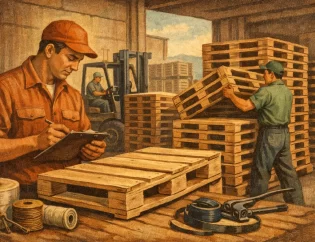
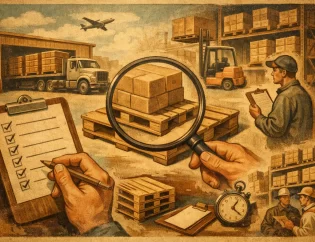
Before requesting a quote or pickup, separate pallets into usable, repairable, and scrap categories. This does not need to be a detailed inspection program. A quick, consistent sort gives the buyer a clearer view of the inventory and helps prevent disputes when the load is collected.
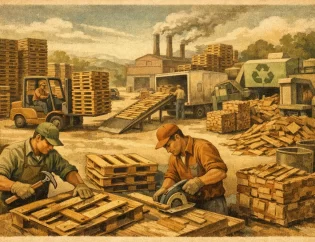
Reusable pallets are typically clean, dry, structurally sound, and stackable. Repairable pallets may have limited board damage or minor issues that a recycler can address. Scrap pallets are severely broken, unsafe to handle, or unsuitable for repair. Keeping these groups separate is one of the simplest ways to protect the value of your reusable inventory.
Record the approximate pallet count, common sizes, material type, and location. If your operation uses 48-by-40-inch wood pallets, say so. If the load includes specialty skids, plastic pallets, export pallets, or unusual dimensions, identify those separately. Clear information allows a pallet recovery partner to determine whether the inventory qualifies for payment, free pickup, or a removal service with a fee.
Photos can help establish expectations, especially for remote locations or first-time pickups. Take images that show the overall stack, the pallet style, and the general condition. Avoid burying usable pallets under broken material. Good staging makes the inventory easier to inspect, load, and count.
Keep Safety and Access Part of the Plan
Value can be lost quickly when pallets are stored in poor conditions. Keep stacks off saturated ground where possible, away from standing water, and clear of debris. Do not stack damaged pallets so high that they create a handling hazard. A clean, accessible staging area supports faster pickup and reduces the chance that usable pallets are treated as scrap.
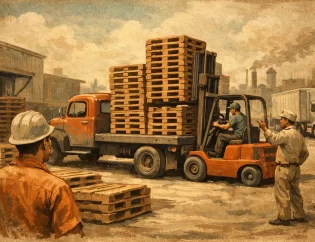
Access also affects scheduling. Let the pickup provider know whether a trailer can enter the site, whether loading is available, what hours apply, and whether an appointment is required. If your team has a forklift and loading capacity, share that detail. A straightforward pickup plan reduces delays and helps maintain predictable service.
How Payment for Reusable Pallets Usually Works
There is no single price for every pallet. The amount paid depends on market demand, usable condition, pallet type, available volume, and transportation requirements. Standard pallets in good condition and sufficient quantity generally offer the strongest recovery potential. Specialty pallets can also carry value, but only when there is demand for their specific dimensions or design.
Transportation is a major factor. A high-value pallet load located near an established collection route may be economical to pick up, while the same load at a remote site may require more volume to support payment. This is why transparent details at the start matter. A qualified provider can assess the inventory and explain the most workable option for your business.
Depending on the load, the outcome may be direct payment for reusable pallets, no-cost collection for qualifying volume, or paid removal for low-value mixed material. That is not a failure of the program. It is a realistic assessment of recovery value versus handling, sorting, and transportation costs. The best arrangement is the one that clears your site safely and predictably while controlling total disposal expense.
Sell Reusable Pallets for Cash Without Adding Work
The most efficient pallet program is built around your normal operating flow. Instead of waiting until pallets block docks, aisles, or trailer space, establish a collection trigger based on pallet count, storage area capacity, or a recurring schedule. This turns pallet accumulation into a managed process rather than an urgent cleanup request.
For a single site, the process may be as simple as staging reusable pallets in a designated area and requesting collection once the stack reaches a target volume. For multi-site operations, consistency matters more. Each facility should use the same basic sorting rules, count method, and pickup request process. Centralized tracking can give operations and sustainability teams visibility into collected pallets, transaction history, and activity across locations.
Pallet Pickup supports commercial businesses that need pallet removal, recovery, recycling, and supply managed through one operational partner. That approach is especially useful when sites generate different pallet types and volumes. One location may have reusable standard pallets that qualify for payment, while another needs mixed pallet removal or a recurring recycling service. Both needs can be handled within a coordinated program.
Avoid These Value-Reducing Mistakes
Do not mix trash, plastic wrap, loose nails, broken lumber, or other waste into pallet stacks. Mixed loads take longer to sort and can create safety issues for warehouse teams and pickup crews. Keep reusable pallets separate from scrap and set aside any unusual pallet types for review.
Avoid holding pallets for too long simply because prices may change. Excess pallets occupy space, create fire-load and housekeeping concerns, and can deteriorate outdoors. The value of a slightly higher future price may be outweighed by the cost of storage, labor, and disruption on the floor.
Finally, do not assume every pallet has the same value. Branded rental pallets, heat-treated export pallets, plastic pallets, and custom sizes may have different handling requirements. Identify them clearly rather than combining them with standard wood pallets.
Build Recovery Into Your Operating Routine
Selling reusable pallets is not only about the payment received for a load. It is about reducing unnecessary waste hauling, recovering usable materials, and giving warehouse teams more room to work. A dependable collection process also makes it easier to plan labor and keep dock areas clear.
If your business receives or ships palletized freight regularly, measure the volume you generate over a typical month. That number will help determine whether on-call pickups, scheduled collections, or a multi-location pallet management program is the right fit. With clear sorting, accessible staging, and a reliable recovery partner, surplus pallets become one less concern for your business.