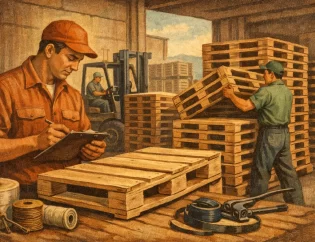
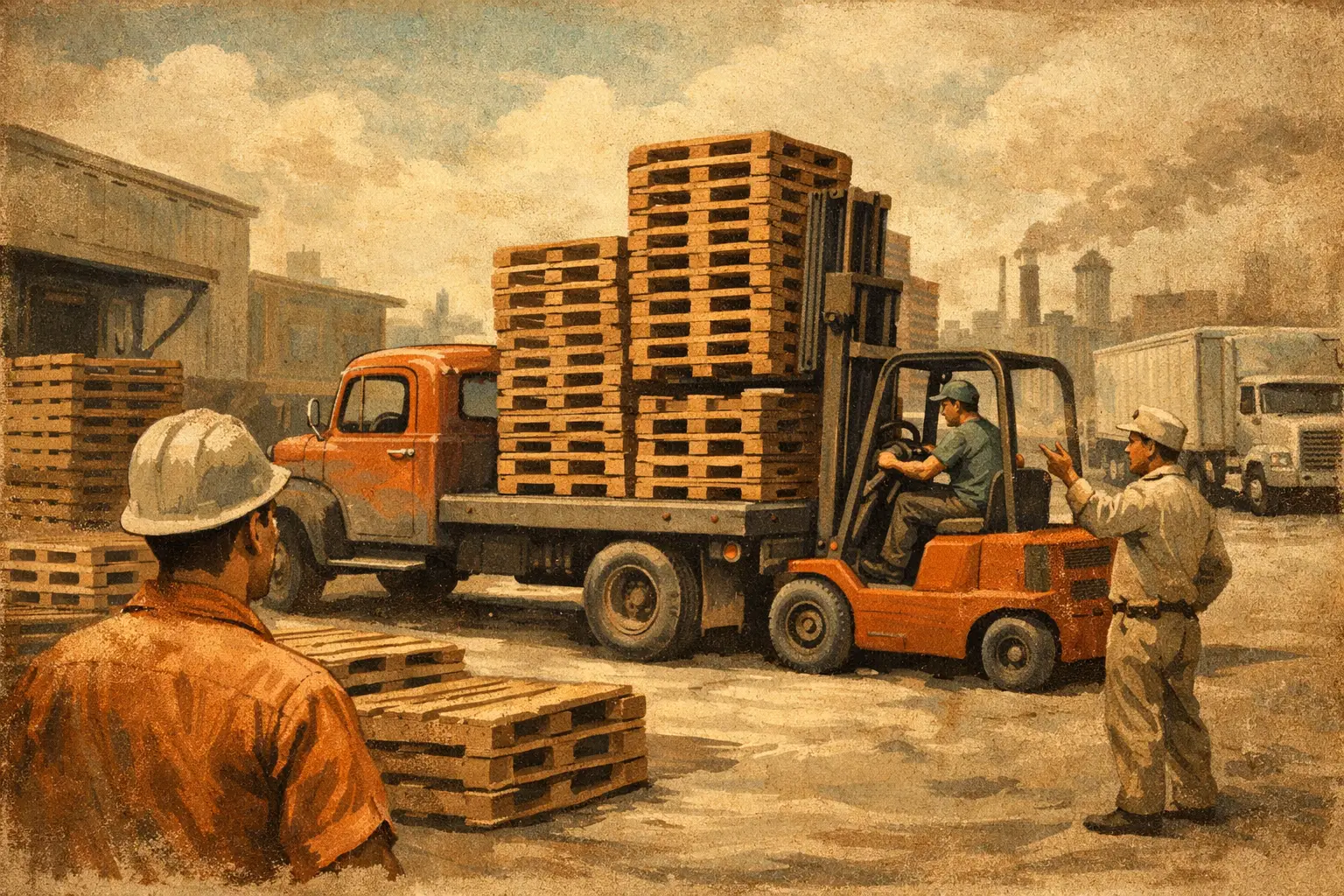
A loading area filled with broken, mixed, or surplus pallets is not just a housekeeping issue. It takes up usable space, creates safety concerns, complicates dock traffic, and can turn into an unnecessary waste expense. The best pallet pickup options help commercial sites clear inventory reliably while recovering value where possible and keeping usable materials in circulation.
For warehouse managers, manufacturers, distributors, retailers, and logistics teams, the right option depends on three practical factors: pallet condition, available volume, and how consistently pallets are generated. A good pallet partner should assess those details before scheduling a truck, rather than treating every load as the same.
Best Pallet Pickup Options by Inventory Type
Pallet pickup is not a one-size-fits-all service. Some inventory has resale value. Some can be repaired or recycled. Other material requires paid removal because it cannot be economically recovered. Knowing where your pallets fit helps prevent surprises and supports better cost control.
Free pickup for reusable pallet volumes
Free pallet pickup is often available when a business has enough standard-size, reusable pallets to justify collection and resale. Common examples include 48 x 40 stringer pallets in good working condition, especially when they are clean, dry, accessible, and stacked safely.
This is usually the most favorable option for facilities with recurring pallet accumulation. The pickup provider can collect reusable inventory, sort it for resale or repair, and return those pallets to the supply chain. Your operation gets space back without adding a disposal invoice.
Volume matters. A small number of pallets may not support a dedicated pickup, particularly if the site is outside a regular service route. Businesses that generate steady quantities are more likely to qualify for flexible scheduling and no-cost collection.
Payment for high-quality surplus pallets
If your business has large quantities of desirable pallets in good condition, selling them may be a better fit than simply arranging removal. Reusable pallets can hold value based on their size, construction, grade, local demand, and quantity available.
Standard pallets generally have the broadest resale market, but specialty pallets can also be valuable when there is consistent demand. The key is accurate information. A provider will typically need to know the pallet dimensions, estimated count, material type, condition, and whether the inventory is stacked for loading.
Payment is not guaranteed for every pallet load. Damaged boards, contamination, unusual dimensions, excessive repair needs, and limited quantities can reduce or eliminate resale value. Still, requesting an assessment is worthwhile when surplus pallets are taking up warehouse space. A recoverable asset should not automatically be treated as waste.
Paid removal for broken, mixed, or low-value pallets
Paid pallet removal is the practical solution when inventory cannot support resale or free collection. This may include heavily damaged pallets, mixed pallet sizes, wet or contaminated material, loose lumber, or small volumes that require a special trip.
A paid removal service can still be the right operational decision. It gives your team a defined process for clearing the area, reduces the risk of pallets becoming an ongoing storage problem, and helps keep recyclable wood out of the landfill whenever possible.
The cost should be explained upfront and based on the work involved. Access conditions, loading requirements, volume, material mix, and distance can all affect pricing. Clear communication matters here. The goal is not simply to remove pallets, but to give the facility a dependable plan for managing material that has no meaningful resale value.
Ongoing scheduled pickup for recurring volume
Businesses that produce pallets every week or every month often benefit most from scheduled service. Instead of waiting until the dock is crowded, the facility can establish pickup frequency based on its normal volume and available staging space.
Scheduled pickup works especially well for distribution centers, manufacturers, retail networks, and third-party logistics providers. It creates a repeatable process: pallets are sorted, stacked in a designated area, and collected before they interfere with daily operations.
The right schedule is not always weekly. A high-volume distribution center may need frequent service, while a smaller manufacturer may need pickup once inventory reaches a set threshold. The best approach reflects the actual flow of pallets through the site, not an arbitrary calendar schedule.
How to Compare Pallet Pickup Providers
Price matters, but the lowest quote is not always the lowest total cost. A missed pickup can consume dock space, require staff time, delay other work, and lead to an emergency removal request later. When comparing pallet pickup options, look at the provider’s ability to manage the full process.
Start with service coverage. A local vendor may work well for one facility, but companies with multiple locations need consistent service standards across their network. Centralized coordination reduces the burden of finding, briefing, and managing separate vendors for every site.
Next, ask how the provider handles different pallet conditions. A capable partner should distinguish between reusable inventory, repairable pallets, recyclable material, and disposal-only loads. That assessment determines whether the pickup may be free, whether pallets can be purchased from your business, or whether removal charges apply.
Responsiveness is another operational factor. Your team needs to know how to request service, what information is required, and when to expect confirmation. A simple request process prevents pallet accumulation from becoming another administrative task for warehouse staff.
For multi-site organizations, transaction visibility is equally important. Location-level records can help operations and sustainability teams monitor pickups, pallet sales, purchases, and material movement. This is useful for budgeting, vendor management, and internal environmental reporting.
Prepare Your Pallets for a Faster Pickup
The condition of the pickup area affects both safety and service efficiency. Before collection, pallets should be consolidated in an accessible location where a truck can load them without disrupting active shipping or receiving activity.
Stack pallets by size and condition whenever possible. Keep standard reusable pallets separate from broken material, odd sizes, plastic pallets, or loose wood. This gives the provider a clearer picture of what can be recovered and reduces time spent sorting at the site.
Avoid blocking fire exits, travel lanes, dock doors, or equipment access. If the pickup requires a trailer, forklift, dock access, or a specific appointment window, provide that information when scheduling. A few details upfront can prevent a failed collection and an unnecessary return visit.
It also helps to maintain a realistic count. An exact number is not always necessary, but a reliable estimate allows the pickup provider to send appropriate equipment and plan the route. For recurring service, tracking normal weekly or monthly volume makes it easier to set a schedule that fits the operation.
When a Full-Service Pallet Partner Makes Sense
A one-time pickup may solve an immediate space problem. But companies that regularly buy, use, accumulate, or dispose of pallets often need more than occasional hauling. They need a partner that can coordinate collection, evaluate resale opportunities, supply pallets when inventory is short, and provide a consistent record of activity.
That is where an all-in-one model can reduce vendor complexity. Rather than using one company for removal, another for recycling, and a third for replacement pallets, a centralized service can manage the pallet lifecycle across the operation. Pallet Pickup supports this approach with pickup coordination, pallet recycling, resale, and multi-location management for commercial customers.
This model is especially useful when site conditions vary. One location may produce clean standard pallets with resale value, while another may have damaged mixed material that requires removal. A flexible provider can apply the appropriate service at each site without forcing every facility into the same program.
Sustainability is a practical benefit, not just a reporting statement. Reusing and repairing pallets extends the life of lumber already in circulation. Recycling damaged wood can reduce disposal needs. At the same time, organized pallet management keeps facilities cleaner and helps teams use dock and storage space more effectively.
The best choice is the option that matches your pallet stream and your operating requirements. Start by identifying what you have, how often it accumulates, and whether your sites need one-time help or an ongoing program. With that information, pallet pickup becomes one less concern for your business instead of a recurring dockside problem.