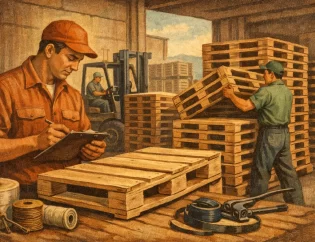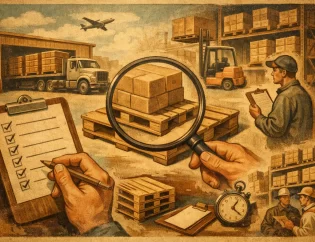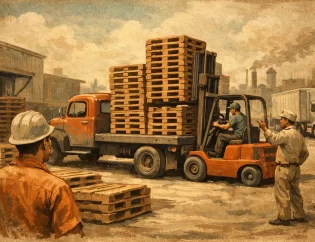

A pallet stack at one warehouse can look like a minor housekeeping issue. Across multiple facilities, it can become an expensive blind spot: usable pallets are discarded, pickups are duplicated, invoices are hard to verify, and procurement teams buy inventory that another location already has. Online pallet transaction tracking gives operations teams one place to see what moved, where it moved, and what value was recovered.
For warehouses, manufacturers, distributors, retailers, and logistics providers, the goal is not more administration. It is fewer calls, fewer disputed transactions, and one less concern for the people responsible for keeping sites clear and productive.
Why pallet records become an operational problem
Pallet activity often sits between departments. A warehouse manager needs a pickup scheduled because space is tight. Accounts payable needs to match a removal charge or pallet purchase to a service record. A sustainability lead needs credible reporting on material recovered rather than sent to disposal. When every site uses separate emails, paper tickets, and local vendors, those records are difficult to reconcile.
The cost is not limited to paperwork. Surplus pallets occupy dock space, create safety concerns, and can interrupt receiving or shipping flow. At the same time, reusable pallets may have resale value. Without a consistent record of pallet type, quantity, condition, and transaction outcome, businesses cannot reliably tell whether pallets were recycled, removed at a cost, or purchased for reuse.
A centralized system turns those scattered details into usable operational information. Instead of asking each site for an update, a manager can review activity across locations and address exceptions before they become recurring problems.
What online pallet transaction tracking should show
Tracking only a pickup date is not enough. A useful platform should create a transaction record that supports the full pallet management process, from the initial request through recovery, removal, resale, or supply.
At a minimum, each transaction should identify the facility, service date, pallet quantity, pallet type or condition when relevant, and the result of the transaction. That result may be a free pickup for suitable volume, a paid removal for material that requires additional handling, payment for reusable inventory, or a pallet purchase and delivery.
The system should also make the status clear. Teams need to know whether a request was submitted, scheduled, completed, or requires follow-up. This sounds basic, but status visibility prevents a common issue: a site assumes a pickup is booked while the service provider is still waiting for details about access, volume, or pallet condition.
For multi-site organizations, the strongest benefit is consistency. Each location may generate different pallet volumes and use different pallet grades, but the reporting structure should remain the same. That allows headquarters, regional operations, and local facility teams to work from the same information without forcing every site into an identical service schedule.
How tracking improves pickup coordination
Pickup scheduling is where better records create immediate value. When a facility can submit a request with current pallet volume, pallet condition, and site requirements, the service provider can plan the right collection method. That reduces avoidable delays and helps prevent an unnecessary truck visit.
A well-managed account also creates a history of prior activity. If a location regularly accumulates a specific volume of standard 48-by-40 pallets, future pickups can be planned with more confidence. If another site produces mixed, damaged, or unusually sized pallets, the service plan can reflect the additional sorting or removal needs.
This does not mean every location should be placed on a fixed schedule. Fixed pickups work well for predictable, high-volume facilities. On-demand requests may be better for seasonal operations, smaller sites, or businesses with irregular shipping cycles. Online records give both models a reliable foundation because the decision is based on actual transaction history rather than estimates.
Better visibility supports cost control
Pallet management costs are easy to underestimate because they can appear in several places: waste hauling, emergency cleanup, labor spent moving stacks, replacement pallet purchases, and separate invoices from different vendors. Transaction tracking brings those activities into a clearer view.
When pickup, recycling, resale, and supply activity are recorded consistently, finance and operations teams can compare patterns by site. A location paying for frequent removals may need a revised pickup cadence. A facility repeatedly buying pallets may have an opportunity to recover and reuse more of its own inventory. A site with high reusable volume may be able to generate value instead of treating every surplus pallet as waste.
The numbers still need context. A higher removal cost is not automatically a service failure. It may reflect damaged pallets, restricted site access, low volume, or a material mix that has limited resale value. Good tracking makes those factors visible, which leads to better decisions than a simple comparison of invoice totals.
Online pallet transaction tracking for multi-site teams
Multi-location businesses need local flexibility without losing central oversight. That is the practical advantage of online pallet transaction tracking. A facility manager should be able to request a pickup quickly, while corporate teams can review completed transactions, service trends, and account activity without collecting spreadsheets from every location.
This structure helps establish accountability. Each site knows what information is needed for a pickup request. Regional managers can identify locations with recurring pallet accumulation. Procurement teams can see where supply demand is growing. Sustainability teams can access records that support internal waste-diversion and material-recovery reporting.
It also reduces vendor fragmentation. Managing a different local contact, process, and invoice format at every warehouse creates work that does not improve core operations. A centralized pallet partner can provide a consistent process while adapting service to local volumes, pallet types, and facility needs.
Set up a process your locations will actually use
The best tracking platform cannot fix an unclear internal process. Keep site instructions practical. Warehouse teams should know who is authorized to submit requests, what pallet information to provide, where pallets should be staged, and how to report a completed transaction internally.
Start with a common definition of pallet categories. For example, teams may distinguish standard reusable pallets, damaged pallets, mixed loads, and specialty sizes. The categories do not need to be overly technical, but they should be consistent enough for the service provider to assess the pickup and for managers to understand the transaction record.
Then assign ownership at two levels. A local contact manages day-to-day requests and site access. A central owner reviews patterns, resolves repeated issues, and confirms that records meet accounting and reporting needs. This division keeps the process responsive without making every minor pickup a corporate approval task.
Finally, review activity on a regular schedule. Monthly reviews are often sufficient for stable operations, while high-volume networks may benefit from more frequent checks. Look for overdue requests, unusual volume changes, repeat removal charges, and sites with potential reusable pallet value. The purpose is not to create another reporting meeting. It is to identify actions that keep docks clear, control costs, and improve recovery.
Choose visibility without adding complexity
The right pallet management process should make work easier for the people moving product every day. Online tracking is most valuable when it supports a responsive pickup service, clear transaction records, and a practical path for recycling, resale, or replacement supply.
Pallet Pickup helps commercial teams manage those moving parts through coordinated pickup, recycling, pallet supply, and centralized account visibility. The result is a more organized pallet program that can scale from one busy warehouse to a national network.
When pallet activity is visible, it becomes easier to keep usable material in circulation, prevent surplus from taking over valuable space, and make each location easier to manage.