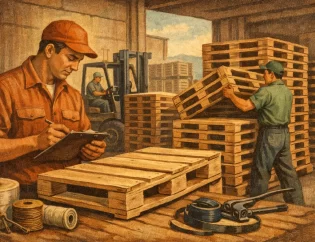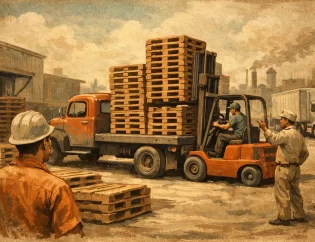

When a warehouse runs short on pallets, the problem shows up fast – delayed loading, cluttered staging areas, rushed purchasing, and extra pressure on receiving and shipping teams. That is why choosing the right used pallet supplier for warehouses is not a minor purchasing task. It is an operational decision that affects flow, cost, and how much time your team spends solving pallet problems instead of moving product.
For many facilities, used pallets make practical sense. They cost less than new pallets, they support sustainability goals, and when sourced correctly, they perform well in day-to-day warehouse use. The catch is that not every supplier delivers the same consistency. A low unit price does not help much if shipments arrive late, pallet grades vary from load to load, or your team has to call three different vendors to manage supply, pickup, and surplus inventory.
What warehouses actually need from a used pallet supplier
A warehouse rarely needs pallets in the abstract. It needs the right pallet size, in usable condition, delivered when inventory gets tight, and removed when broken or excess pallets start taking over floor space. That is why the best supplier relationship usually goes beyond simple resale.
A dependable used pallet supplier for warehouses should understand the pressure points inside a working facility. Procurement may focus on price, but operations usually feels the impact of inconsistency first. If a trailer arrives with mixed-quality pallets, cracked deck boards, or unstable stacks, the cost shows up in handling delays, safety concerns, and rejected inventory.
Reliability matters just as much as pallet availability. Warehouses need predictable service windows, clear communication, and a supplier that can respond when demand changes. Seasonal peaks, customer onboarding, and sudden volume shifts can all affect pallet needs. A supplier that can scale with those swings becomes far more valuable than one that simply sells pallets by the load.
Used pallet supplier for warehouses: what to evaluate first
The first question is not just whether a supplier has inventory. It is whether that inventory is consistently graded and matched to your operation. Many warehouses use pallets differently depending on product weight, racking requirements, shipping cycles, and customer expectations. A facility moving lightweight retail cartons has different needs than one handling industrial materials or heavy outbound freight.
Ask how pallets are sorted, repaired, and inspected before delivery. Used does not have to mean unpredictable. A well-managed recycling and resale operation should have a clear process for separating reusable pallets from scrap, repairing eligible units, and supplying loads that meet an agreed quality standard.
It also helps to evaluate how the supplier handles volume. Some vendors are fine for occasional spot buys but struggle with recurring demand. Others are set up for ongoing support, with the ability to serve one site or many. If your business operates across multiple warehouses, consistency across locations becomes a major advantage. Working with separate local vendors may seem flexible at first, but it often creates reporting gaps, different quality standards, and more internal coordination.
Quality is not one thing
Warehouse teams sometimes talk about pallet quality as if it is a yes-or-no issue, but in practice it depends on use. A pallet that is perfectly acceptable for one-way shipping may not be the right fit for closed-loop internal movement or high-turn warehouse handling.
That is why a good supplier will not just quote a price and move on. They should ask how the pallets will be used, whether they need to meet standard footprints, and what level of repair is appropriate. In some cases, a lower-cost used pallet is the right choice. In others, paying slightly more for a tighter grade reduces breakage and replacement frequency enough to lower total cost.
This is where operational thinking matters. Warehouses do not benefit from buying the cheapest pallet if damage, instability, or shorter lifespan creates more labor and disruption downstream. The right supplier helps you balance acquisition cost with performance.
Supply and removal work better together
One of the biggest missed opportunities in pallet management is treating supply and disposal as separate issues. Many warehouses buy pallets from one company, pay another to haul away scrap, and keep unusable inventory stacked in the yard until someone has time to deal with it.
That setup creates friction. It adds scheduling work, reduces visibility, and often leaves value on the table. Reusable surplus pallets may have resale value. Damaged pallets may be recyclable. Excess inventory may be taking up space that operations needs for something else.
A supplier that can both provide used pallets and manage pickup creates a much cleaner process. Instead of juggling vendors, your team works with one partner that understands your pallet flow in both directions. That can mean regular pickups, scheduled removals, or recovery programs based on pallet type, condition, and volume.
For warehouses trying to reduce waste hauling costs, this model is especially useful. Some pallet loads qualify for free pickup, some may generate direct payment, and some may require paid removal depending on the condition and composition. What matters is having a clear process and a provider that can make those decisions quickly.
National coverage changes the equation
If you manage more than one warehouse, local vendor relationships can become difficult to control. One site gets good service, another struggles with delays, and reporting ends up buried in emails, invoices, and site-level conversations. That is manageable at small scale, but it becomes inefficient as operations grow.
A national used pallet supplier for warehouses offers a different advantage. Instead of rebuilding the process at every location, you can centralize pallet supply, pickup coordination, and service expectations. That reduces administrative burden and gives operations, procurement, and sustainability teams a clearer view of what is happening across the network.
This is where account management and tracking matter. Multi-site businesses need more than trucks and pallet loads. They need visibility into pickups, returns, purchases, and inventory movement by location. A centralized model helps standardize service while still adapting to each site’s volume and pallet mix.
Sustainability matters when it is operationally useful
Most warehouses are under pressure to reduce waste, but sustainability initiatives tend to stick when they also improve day-to-day operations. Used pallets fit that model well. They extend the usable life of wood packaging, reduce demand for new material, and keep recoverable pallets out of the waste stream.
That said, sustainability only works if service remains practical. Warehouses cannot afford a recycling program that slows down loading or creates uncertainty around pallet supply. The right supplier makes reuse and recovery easy to manage, not harder to maintain.
For many businesses, this also supports internal reporting. When pallet recycling and resale are handled through a structured service model, it becomes easier to document diversion, recovery activity, and vendor performance. That can help both operations and environmental teams show measurable progress.
What a strong supplier relationship looks like
The best supplier relationships are simple on the customer side. Your team knows who to call, what to expect, and how quickly issues will be resolved. Orders are clear. Pickups happen on schedule. Quality is consistent. If demand changes, the supplier adjusts.
A strong partner will also be realistic. If a certain pallet grade is tight in the market, they should say so. If your operation would benefit from a different repair level or pickup frequency, they should explain why. Practical advice matters more than generic promises.
For warehouse leaders, that kind of support turns pallets into one less concern for the business. Instead of reacting to shortages, overflow, or scattered vendor management, you have a system in place.
Companies with ongoing pallet volume often see the most value from a provider that can buy, sell, collect, and track pallet activity under one program. That is the model Pallet Pickup is built around, especially for businesses that need consistent support across locations without adding more internal coordination.
Choosing a used pallet supplier is really about choosing how much operational friction you want to keep. If the answer is as little as possible, look for a partner that can support supply, recovery, and visibility in the same workflow – and keep your warehouse moving without making pallets a daily issue again.