
A stack of extra pallets rarely looks urgent until it starts taking up dock space, blocking traffic, or turning into a disposal cost. If you are figuring out how to sell surplus pallets, the goal is not just to move them out. The real objective is to recover value, reduce handling time, and avoid creating another operational task for your team.
For most businesses, the best results come from treating pallet sales as part of a broader pallet management process. Condition, quantity, pallet type, pickup logistics, and timing all affect whether pallets are purchased, removed at no charge, or handled as scrap. When that process is clear, surplus pallets become easier to move and more likely to generate a return.
How to sell surplus pallets without slowing down operations
The first step is knowing what you actually have. Many businesses assume all pallets are worth the same, but buyers evaluate them based on reuse potential. Standard 48×40 wood pallets in decent condition usually have the strongest resale market because they are widely used across warehousing, manufacturing, and distribution. Odd sizes, broken units, or heavily damaged pallets may still have recycling value, but they will not be priced the same way.
That is why a quick internal review matters. You do not need a complicated audit, but you should know the approximate pallet count, whether they are standard or custom sizes, and what percentage is reusable versus damaged. Even a simple estimate helps a pallet buyer determine the right service model and set expectations early.
Volume also changes the economics. A small pile at one location may not justify a paid purchase if transportation costs are high. A full trailer load of reusable pallets is a different conversation. Businesses with recurring pallet surplus often get the best outcome because pickup and resale can be planned as part of an ongoing schedule instead of handled as a one-off cleanup.
What determines pallet value
Pallet pricing depends on more than supply and demand. Reusability is usually the first factor. A pallet that can go back into circulation with minimal repair is worth more than one that needs to be dismantled or ground for recycling.
Size and specification matter next. The more common the pallet footprint, the broader the resale market. Standard grocery and warehouse pallets tend to move faster than custom-built pallets tied to a specific product or shipping system. Construction quality matters too. Hardwood, softwood, stringer design, and overall structural condition can all influence pricing.
Location affects value in a practical way. If pallets are located in a dense commercial market with active demand, selling them is often easier. If they are in a remote area, freight can eat into the return quickly. This is one reason national or regional pallet partners can be useful for businesses with multiple sites. They can assess value in context rather than forcing every location into the same arrangement.
Timing is another factor companies often overlook. If pallets have piled up for months, they may be mixed, weathered, or hard to access. That does not mean they cannot be sold, but it often lowers the value and increases labor. Selling pallets earlier, before they become a storage problem, usually leads to better results.
Reusable, recyclable, or waste
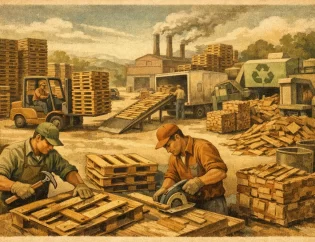
Not every surplus pallet should be handled the same way. Reusable pallets can often be purchased outright. Recyclable pallets may still be collected, but the value may come from material recovery rather than resale. Pallets that are contaminated, unsafe, or severely damaged may require paid disposal.
That distinction matters because it changes how you evaluate offers. The best partner is not always the one promising the highest number on a single stack. It is the one giving you a realistic path to move all the material efficiently, including mixed-condition inventory.
Prepare pallets before pickup
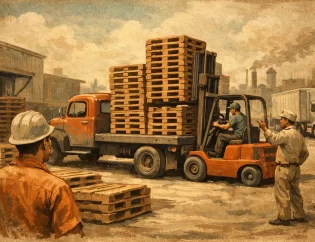
If you want to improve sale potential, presentation matters. Buyers need pallets to be safe and accessible for loading. That does not mean your team should spend hours rebuilding inventory before a pickup, but basic organization helps.
Keep pallets stacked by size if possible. Separate reusable units from visibly broken ones. Make sure the stacks are stable and accessible to a forklift or truck. If there are quantity estimates available, have them ready. These small steps make it easier for a buyer to assess the load and complete pickup without delays.
Access conditions also matter. If a truck cannot easily reach the pallets, transportation time goes up. If loading requires unusual coordination, that can affect the offer. A straightforward pickup is more efficient for everyone, and that efficiency often supports a better financial outcome.
For facilities with regular pallet accumulation, the smarter move is usually to set a pickup threshold. Instead of waiting until pallet overflow becomes a yard problem, define a count or space limit that triggers removal. That keeps your site cleaner and prevents surplus pallets from becoming a recurring bottleneck.
Choosing the right pallet buyer
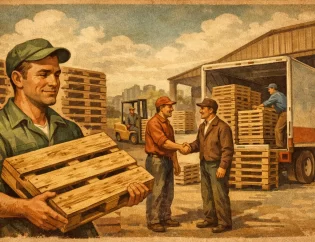
When businesses think about how to sell surplus pallets, they often focus only on the immediate transaction. That can work for a one-time cleanup, but it is not always the best fit for ongoing operations. The better question is whether the buyer can support your volume, site requirements, and reporting needs over time.
A local buyer may be fine for a single warehouse with predictable inventory. But if you operate across several facilities, inconsistency becomes a problem quickly. Pickup timing, pricing methods, communication, and tracking can vary from site to site. That creates extra work for operations teams that are already managing enough.
A centralized pallet partner can simplify that process by handling pickup, resale, recycling, and account visibility in one place. For businesses that care about vendor reduction, cost control, and sustainability reporting, that model usually creates more value than chasing occasional spot offers.
Reliability matters just as much as price. A delayed pickup can tie up dock space and create internal frustration that outweighs a slightly higher rate from another vendor. Clear scheduling, responsive communication, and realistic assessments are signs you are dealing with a service partner rather than just a reseller.
Questions to ask before you agree to a pickup
Before moving forward, confirm how the pallets will be evaluated and what costs might apply. Some loads are purchased. Some qualify for free removal. Some involve a fee, especially if the inventory is heavily damaged or mixed with waste. It is better to know that upfront than to discover it on pickup day.
Ask how volume is estimated, what pallet types are accepted, and whether there are minimum quantities. Confirm who loads the truck, what access is needed, and how quickly service can be scheduled. If your business needs documentation for internal accounting or environmental reporting, make sure that is available as part of the process.
For multi-site companies, reporting should not be treated as an extra. It is part of operational control. If one provider can show pickups, volumes, and transaction history across locations, your team spends less time reconciling vendor activity and more time managing the business.
Build a repeatable process, not a one-time fix
The easiest pallet sale is the one that never turns into a disposal problem in the first place. Businesses that generate pallet volume consistently should not rely on ad hoc cleanup requests every time inventory overflows. A repeatable process saves labor, reduces clutter, and improves recovery value.
That process can be simple. Identify the pallet types your sites generate. Set storage rules so reusable pallets stay separate from scrap. Establish pickup triggers by count or frequency. Work with a provider that can scale with your footprint and adjust service based on pallet condition and volume.
This approach also supports sustainability goals in a practical way. Reusable pallets stay in circulation longer, damaged pallets are directed into recycling streams when possible, and fewer units end up in waste containers. For most businesses, that is not just an environmental benefit. It is a cleaner, lower-friction operating model.
If your company is dealing with pallet buildup across one site or many, selling surplus pallets should feel like one less concern for your business. The right process clears space, recovers value where possible, and keeps your operation moving without adding another layer of coordination.