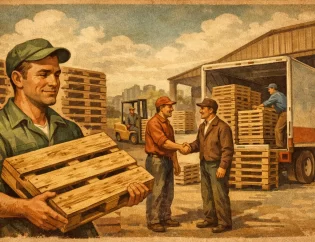

Pallets tend to pile up slowly, then all at once. One week you have a manageable stack behind the dock, and the next week it is taking up trailer space, blocking access, and creating a safety issue for your team. If you are figuring out how to dispose of pallets, the right answer usually is not sending them straight to the dumpster.
For most businesses, pallet disposal is really an operations issue. The goal is to clear space, control hauling costs, reduce handling time, and recover any value still left in the material. The best option depends on pallet condition, volume, wood type, and how often your site generates surplus pallets.
How to dispose of pallets without adding extra work
The fastest mistake businesses make is treating every pallet like waste. Some pallets can be reused, some can be repaired, some can be recycled, and some may qualify for pickup at no cost depending on condition and local demand. When everything gets thrown into one category, companies usually pay more than they need to.
A better approach is to sort pallets into three simple groups: reusable, recyclable, and damaged beyond recovery. Reusable pallets may have resale value or qualify for pallet pickup. Recyclable pallets can often be broken down into usable wood products. Severely damaged pallets may still be removed, but the cost structure is different because there is less recoverable value.
This matters most for warehouses, manufacturers, distributors, and retailers that generate pallet volume every week. If your team is already moving product, loading trucks, and managing inbound shipments, pallet removal should not become another internal project.
Start with the condition of the pallets
Condition drives almost every disposal decision. Standard wood pallets in decent shape are not handled the same way as broken, wet, splintered, or mixed-material pallets.
If the pallets are intact and stackable, they may be suitable for reuse. That opens the door to resale, recovery, or scheduled pickup by a pallet recycler. If they are cracked but made from usable lumber, they may still be repairable or recyclable. If they are contaminated, heavily damaged, or mixed with debris, they are more likely to require paid removal.
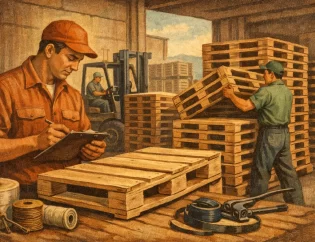
Your team does not need a complicated grading system. In most facilities, a quick visual sort is enough. Separate clean, standard pallets from broken units and keep non-wood pallets in their own area. That simple step can lower disposal costs and make pickup more efficient.
Why pallet type matters
Not all pallets move through the same recovery channels. Standard 48×40 wood pallets are generally the easiest to remarket and recycle because they are widely used. Custom pallets, oversized units, and odd footprints may still be recoverable, but demand is less consistent.
Plastic pallets, metal pallets, and heat-treated export pallets also require different handling. Some can be reused through specialty channels, while others need dedicated recycling options. If your site generates a mix of pallet types, that is where a managed pickup program becomes more valuable than one-off hauling.
The most common pallet disposal options
If you need to know how to dispose of pallets in a commercial setting, there are four realistic paths. Which one makes sense depends on whether you are trying to remove a one-time buildup or manage recurring volume.
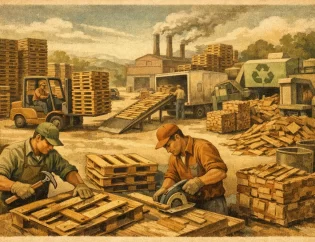
Reusing pallets internally works if you have a stable flow of outbound shipping needs and enough storage space to keep inventory organized. Selling reusable pallets can offset costs, but it requires demand, sorting, and coordination. Recycling damaged wood pallets keeps material out of landfills and is usually the best path for non-reusable stock. Hauling pallets as general waste is the least efficient option and typically the most expensive over time.
For businesses with steady pallet accumulation, pickup and recycling service is often the simplest route. It removes the labor of finding local buyers, arranging one-off removals, and dealing with multiple vendors across locations.
When pallet pickup is better than self-hauling
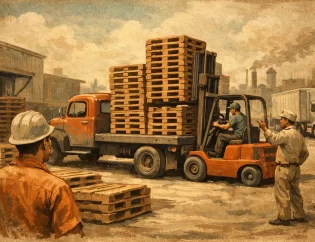
Self-hauling can look cheaper on paper, especially if you already have trucks or access to a waste container. In practice, it often shifts hidden costs back to your operation. Your team spends time stacking, loading, transporting, and documenting disposal. Equipment gets tied up. Dock space stays congested longer than it should.
Pickup service is usually the better fit when pallet volume is ongoing, when you have multiple sites, or when your staff should be focused on core warehouse activity instead of waste handling. It is also a stronger option when pallet condition varies and you need a provider who can decide what can be reused, recycled, or removed.
That is where a national service model can make a real difference. Instead of managing different local arrangements by site, businesses can standardize pallet recovery, scheduling, and reporting through one partner. For operations leaders, that means less administrative friction and better visibility.
Signs your current process is costing too much
A pallet problem is not always obvious in a monthly budget line. It often shows up as space loss, labor waste, and recurring cleanup. If stacks are growing near loading areas, if local haulers are inconsistent, or if you are paying disposal fees for pallets that may still have value, your current process is probably working against you.
Another sign is when locations handle pallet disposal differently. One branch may sell surplus pallets, another may pay for removal, and another may throw everything away. That inconsistency makes cost control difficult and limits your ability to track sustainability results across the business.
How to set up a better pallet disposal process
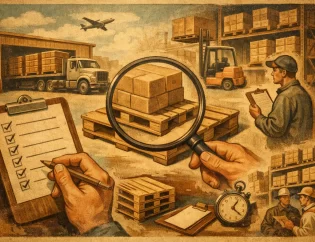
A workable process does not need to be complicated. It needs to be repeatable. Start by identifying where pallets accumulate, how many units you generate per week or month, and what portion is reusable versus damaged. From there, assign a staging area so pallets are stacked safely and separated by type.
Next, decide whether your business needs on-demand pickup, scheduled service, or a broader pallet management program. A one-time cleanup may be enough for a temporary overflow issue. If accumulation is part of normal operations, scheduled pickup usually delivers better control and less disruption.
It also helps to define who owns the process internally. In many facilities, pallet disposal gets handled informally until it becomes a problem. Giving one team or manager clear responsibility improves consistency and makes vendor coordination easier.
Sustainability matters, but so does practicality
Most companies want to reduce landfill waste, and pallet recycling supports that goal. But sustainability only works as a business solution if the process is simple enough to maintain. If recycling requires extra sorting labor, repeated calls to unreliable vendors, or uncertain pickup timing, it tends to break down.
The better model is one that aligns environmental performance with operational efficiency. Reusable pallets get recovered. Damaged pallets get recycled. Disposal is documented. Space gets cleared. Your team does less manual coordination. That is a practical sustainability win, not just a policy statement.
For businesses with environmental reporting goals, a structured pallet recovery program can also support internal tracking. That is especially useful for multi-site operations that need a clearer picture of material recovery and vendor performance.
Choosing the right pallet disposal partner
If you are outsourcing the work, responsiveness matters as much as price. A low-cost option does not help if pickups are delayed, communication is inconsistent, or the provider only handles certain pallet types when it is convenient.
Look for a partner that can adjust based on volume, pallet condition, and frequency. Some loads may qualify for free pickup. Others may generate revenue if the inventory is reusable. Severely damaged loads may involve removal charges. A provider should be able to explain that clearly so there are no surprises.
It also helps to choose a company that can support more than a single transaction. If your business buys pallets, sells surplus pallets, and needs regular removal, combining those services with one provider reduces vendor sprawl. Pallet Pickup is built around that model, which is why it works well for businesses that want one less concern on the operations side.
How to dispose of pallets in a way that scales
What works for one location with a few extra stacks may not work for a distribution network generating thousands of pallets per month. As volume grows, the right process becomes less about simple removal and more about control. You need dependable scheduling, clear service terms, and enough reporting to understand what is being picked up, recycled, and recovered.
That is the difference between reacting to pallet buildup and actually managing it. Disposal should support your shipping operation, not interrupt it. If your current method creates delays, eats into usable space, or leaves money on the table, it is time to treat pallets like a recoverable asset stream instead of just another waste category.
The right next step is usually the simplest one: assess what you have, separate what can be recovered, and set up a pickup process that fits the way your operation actually runs.