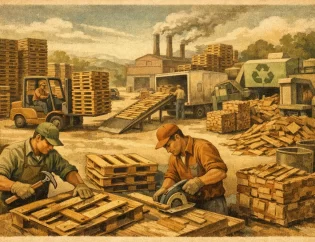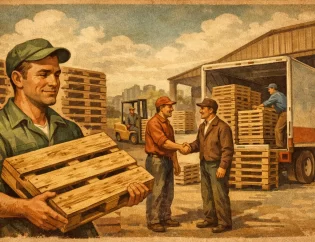

A stack of unwanted pallets behind a warehouse rarely stays a small problem for long. It takes up dock space, creates safety issues, and often turns into a disposal expense. If you are asking what pallets can be recycled, the short answer is most commercial pallets can be recovered in some way, but the value and best handling method depend on material, size, condition, and volume.
For operations teams, that distinction matters. Some pallets can be repaired and returned to service. Some can be broken down for parts or raw material recovery. Others are better treated as scrap with removal built around safety and efficiency rather than resale value. Knowing the difference helps you avoid unnecessary hauling costs and recover value where it still exists.
What pallets can be recycled in commercial operations?
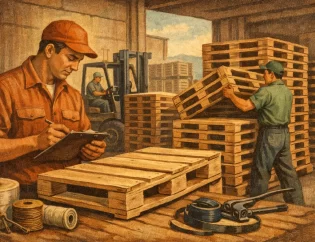
In most business settings, wood pallets are the easiest and most common pallets to recycle. Standard 48×40 pallets, stringer pallets, block pallets, and many custom wood pallets can often be picked up, sorted, repaired, reused, or processed for lumber recovery. If they are structurally sound or repairable, they may have resale value. If they are broken, they may still be recyclable as wood material.
Plastic pallets can also be recycled, but the process is different. These pallets usually need specialized handling because the material type matters, and not every local recycler is set up to process them. For businesses that generate plastic pallet volume regularly, working with a pallet recovery partner is usually more efficient than treating them like general waste.
Metal pallets are recyclable as scrap metal, although they are less common in standard warehouse circulation. Corrugated or paper pallets may also be recyclable, but they are more condition-sensitive and often have less recovery value after heavy use or moisture exposure.
The practical answer to what pallets can be recycled is this: almost any pallet material can be recycled under the right conditions, but not every pallet can be reused, and not every load qualifies for the same pickup or payout structure.
The pallet type matters, but condition matters more
Two businesses can have the same pallet size and receive very different outcomes. One load might be clean, stackable, and suitable for resale. Another might contain split deck boards, crushed runners, contamination, or mixed materials that reduce recovery options.
That is why pallet condition usually drives the next step more than pallet category alone. Reusable pallets are the most valuable because they can go back into circulation quickly. Repairable pallets come next because they can be rebuilt using recovered lumber. Severely damaged pallets may still be recyclable, but they are handled more like commodity material than reusable inventory.
Contamination is one of the biggest deciding factors. Pallets exposed to chemicals, oils, excessive mold, or embedded product residue may not be suitable for repair or resale. In some cases, they can still be processed for material recovery. In others, disposal rules become more restrictive. For businesses, the key point is simple: cleaner and better-sorted pallets usually create better recovery outcomes.
Wood pallets: the most recyclable category
When companies ask what pallets can be recycled, they are usually talking about wood pallets. That makes sense. Wood pallets are widely used, easy to repair, and accepted across much of the pallet recycling market.
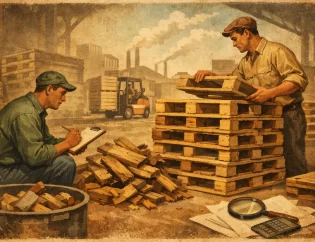
A standard wood pallet often moves through several life cycles. It may start as a new pallet, then get reused as-is, then repaired, then broken down for parts. Even after it is no longer fit for pallet repair, the wood can sometimes be processed into mulch, animal bedding, biomass fuel, or other secondary uses depending on local end markets.
Not every wood pallet has the same value. Standard sizes are easier to remarket than unusual custom footprints. Hardwood and softwood pallets can both be recycled, but construction quality, consistency, and repairability all affect pricing and pickup terms. If your facility generates recurring quantities of standard-grade wood pallets, those units typically offer the strongest recovery potential.
Heat-treated pallets can usually be recycled just like other wood pallets. The treatment stamp does not prevent recycling. However, pallets that have been painted heavily, chemically treated outside normal standards, or contaminated in use may require different handling.
Can plastic pallets be recycled?
Yes, but the route is less straightforward than wood. Plastic pallets can often be ground and reprocessed into new molded products, including new pallets in some cases. The challenge is that material composition matters. High-density polyethylene, polypropylene, and mixed plastic builds are not always handled the same way.
For a warehouse or manufacturing site, this means plastic pallets should not automatically be thrown into general recycling bins or scrap streams. They need identification, sorting, and volume planning. If you only have a few damaged plastic pallets once in a while, local options may be limited. If you manage recurring volume across one or more facilities, a coordinated pickup program is usually the more reliable path.
Plastic pallets also have a different value profile. They can be durable and reusable for a long time, so intact units may hold strong reuse value. But once damaged, the economics depend heavily on resin type, freight cost, and available processing channels.
Which pallets usually have resale value?
From an operations standpoint, this is often the more useful question. Recycling matters, but reuse and resale usually create the best financial outcome.
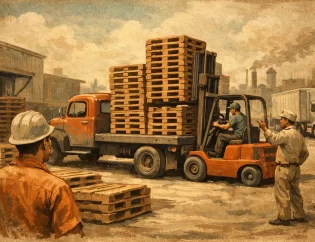
Pallets with the strongest resale or buyback potential are typically standard sizes, structurally sound, and generated in enough volume to justify transportation and sorting. Grade A and Grade B wood pallets are common examples. Clean trailer loads or consistent recurring quantities are easier to monetize than small mixed piles spread across different facilities.
Custom pallets can still have value, especially if they are tied to an active supply chain or a repeat specification. But custom sizes are more market-dependent. A recycler may be able to recover the lumber even if there is no direct resale demand for the full pallet.
This is where businesses benefit from a service model that evaluates the load rather than applying one flat assumption to every pickup. Some pallet loads deserve payment. Some qualify for free removal. Some involve a fee because labor, sorting, or disposal requirements outweigh the recoverable value. That is normal in commercial pallet management, and it is better to know that upfront than to rely on inconsistent spot pickups.
What pallets can be recycled if they are broken?
Broken pallets are still often recyclable, especially when they are wood. A cracked board or damaged stringer does not automatically make a pallet waste. Many recyclers recover usable components and rebuild pallets from those parts.
The tipping point is usually severe damage or contamination. If a pallet is crushed, soaked, infested, or mixed with trash and wrap, its recovery value drops fast. The same applies to loads with excessive nails, embedded debris, or non-pallet materials mixed in. Those conditions increase labor and reduce what can be reused.
For businesses, the operational takeaway is simple. Keep broken pallets separated from garbage, keep stacks reasonably organized, and avoid exposing surplus pallets to unnecessary weather or contamination. Better handling on-site often leads to lower removal costs and higher recovery value.
Why pallet recycling programs work better than ad hoc disposal
Many facilities start by treating pallet buildup as a cleanup issue. They call for removal when the pile becomes a problem. That approach works temporarily, but it usually creates inconsistent service, unclear pricing, and little visibility into what happened to the material.
A structured pallet recycling program solves a different problem. It helps you control flow before pallets become a yard issue. Reusable inventory can be recovered faster. Broken units can be separated from good stock. Pickup timing can align with dock activity and site volume. Across multiple locations, centralized reporting can also help procurement, operations, and sustainability teams understand where value is being recovered and where waste is increasing.
That is especially important for companies managing distribution networks, retail footprints, or regional warehouse groups. A one-off local vendor may clear a pile, but a broader service model reduces administrative friction and creates a more consistent recovery process.
How businesses should assess their pallet stream
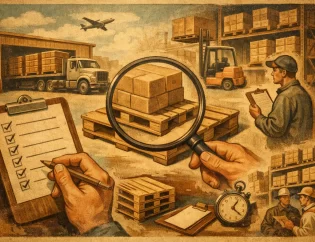
If you want a practical answer to what pallets can be recycled at your facility, start with four basics: material, size, condition, and volume. Those factors usually determine whether your pallets are reusable, repairable, recyclable as raw material, or simply disposal-heavy.
It also helps to look at how pallets accumulate. Are they inbound vendor pallets with mixed specifications? Are they your own outbound pallets returning damaged? Are they concentrated at one site or spread across several locations? The more consistent the stream, the easier it is to build an efficient pickup and recovery plan.
For many businesses, the best next step is not trying to classify every pallet internally. It is working with a partner that can evaluate the inventory, set realistic pickup terms, and handle the sort, recovery, and tracking process with less effort from your team. That is often where a company like Pallet Pickup creates the most value – not just by removing pallets, but by turning a recurring operational nuisance into a managed process.
If pallets are taking up space at your facility, the right question is not just what can be recycled. It is how much value you can still recover before those pallets become pure waste.