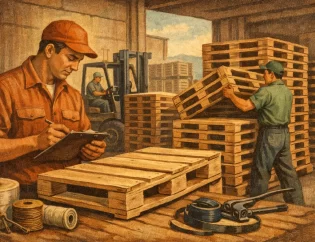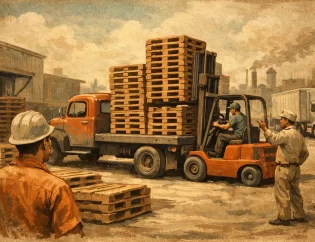

Stacks of broken or surplus pallets rarely stay a small problem for long. They take up dock space, create safety issues, and often get pushed to the side until disposal becomes urgent. That is usually when businesses start asking the right question: what should pallet removal service cost, and why do quotes vary so much from one pickup to the next?
The short answer is that pallet removal service cost depends on whether your pallets have resale value, recycling value, or only disposal value. A load of standard 48×40 pallets in reusable condition may qualify for free pickup or even payment back to your business. A mixed pile of damaged, odd-size, wet, or contaminated pallets is more likely to carry a removal fee. The difference comes down to labor, transportation, recovery potential, and how easy the material is to process.
How pallet removal service cost is usually priced
Most commercial pallet pickups are not priced with a flat national rate. Service providers look at the load and ask a few practical questions. How many pallets are there? What condition are they in? Are they standard or custom sizes? Is the site easy to access? Can the truck load quickly, or will the driver spend extra time sorting and handling the stack?
If the pallets can be recovered, repaired, and resold, the pickup cost may be reduced or eliminated. If the provider expects little or no value from the material, then the job becomes closer to waste hauling. That means your price reflects truck time, labor, fuel, and recycling or disposal costs.
This is why two businesses in the same city can get very different quotes. One warehouse may have 500 neatly stacked standard pallets ready at dock level. Another may have 120 mixed pallets scattered outdoors behind the building. The first job is efficient and recoverable. The second takes more time and delivers less downstream value.
The biggest factors that affect pricing
Pallet condition
Condition is usually the first pricing lever. Reusable pallets help offset pickup costs because they can be repaired, resold, or reintroduced into circulation. Broken pallets still may have recycling value if the wood can be processed economically. Pallets that are rotted, heavily contaminated, or unsafe to handle tend to increase cost because they require more labor and offer less return.
For operations teams, this matters because a small amount of internal sorting can change the economics of a pickup. Separating reusable pallets from scrap-grade pallets often leads to a better overall quote.
Volume and frequency
A one-time emergency pickup usually costs more per pallet than a recurring service arrangement. With predictable volume, providers can route trucks more efficiently, allocate labor, and plan recovery streams in advance. That lowers friction for both sides.
Businesses with ongoing pallet accumulation often get better pricing when pickup is scheduled routinely instead of waiting until the yard is overloaded. Frequency also helps reduce hidden costs inside your operation, such as blocked storage areas, slower trailer turns, and staff time spent managing pallet overflow.
Pallet size and type
Standard footprints are easier to recover than custom dimensions. A common grocery or warehouse pallet has an established resale market. Custom pallets, heavy-duty skids, painted pallets, or unusual builds may still have value, but the market is narrower and processing is less predictable.
That does not always mean higher cost, but it does mean pricing is more case-specific. If a provider cannot readily remarket what they collect, the quote will reflect that.
Site access and loading conditions
Pickup is cheaper when the truck can get in, get loaded, and get out without delay. Dock access, forklift availability, safe staging, and clean stack organization all affect labor time. If a driver has to hand-load scattered pallets, work around traffic, or wait on site for assistance, cost will rise.
For multi-site businesses, this is one reason service consistency matters. Standardizing pallet staging across locations can improve pricing over time because each pickup becomes simpler to execute.
Geography and route density
Location still matters. A site in a major logistics corridor may benefit from better truck availability and more frequent route coverage. A remote site may cost more because of travel time and lower pickup density. National coverage helps, but transportation economics never fully disappear from the equation.
This is especially relevant for companies with facilities spread across several regions. One centralized program can still reduce overall cost, even if individual site pricing varies based on local conditions.
When pallet pickup may be free
Free pickup is possible, but it is not automatic. It usually applies when the collected pallets have enough market value to cover transportation and handling. Standard pallets in good condition, sorted by type, and available in decent volume are the strongest candidates.
Some businesses are surprised to learn that free pickup is not the same as free disposal. A provider is making a recovery decision, not simply waiving a fee. If the material is useful, the economics work. If it is mostly scrap, disposal costs return to the picture.
The practical takeaway is simple: if you want the best chance at no-cost removal, keep pallets dry, stack them neatly, separate standard from non-standard units, and schedule pickup before the pile degrades.
When your business might get paid instead
In some cases, surplus pallets are an asset rather than a cost center. If your facility generates a steady volume of reusable pallets, a provider may purchase them outright or credit that value against other services. This is common when pallets are standard, structurally sound, and in demand within the local or regional market.
That value can change with market conditions. Demand for used pallets fluctuates by region, season, pallet size, and repair requirements. A load that earns payment one month may only qualify for free pickup later if resale demand softens. That is why fixed assumptions rarely hold up for long.
For businesses that both dispose of and buy pallets, a managed program can create a more balanced cost structure. Recoverable inventory leaves your site, and replacement supply is handled through the same channel. That reduces vendor sprawl and makes pallet activity easier to track.
Hidden costs beyond the pickup invoice
Focusing only on the quoted removal charge can miss the larger operational cost. Pallet buildup affects warehouse flow, trailer access, employee safety, and housekeeping standards. It can also push businesses into paying for dumpsters or waste haulers that are not designed for pallet recovery.
There is also an administrative cost when each location finds its own local vendor. Pricing becomes inconsistent, service levels vary, and accounting teams spend more time reconciling small transactions. For companies with multiple facilities, centralizing pallet pickups often improves visibility just as much as it improves direct cost control.
A lower invoice from a local hauler is not always the lower total cost if the service lacks reliability, reporting, or recovery options.
How to reduce pallet removal service cost
The best cost-control strategy is not negotiating harder after pallets pile up. It is making the load easier to recover before the truck arrives. Businesses usually see better outcomes when they sort by pallet type, separate reusable from scrap, store pallets in a dry area, and stage pickups where equipment can load quickly.
It also helps to think beyond one-off cleanouts. If pallet accumulation is recurring, a regular pickup schedule tends to produce more stable pricing and less internal disruption. The same is true for multi-site operations. A single managed program creates consistency in pickup procedures, reporting, and service expectations.
If your business buys and sells pallets throughout the year, combining removal, recycling, and supply with one provider can reduce friction even further. Pallet Pickup is built around that model, giving commercial customers one place to manage pickup requests, recover value where possible, and maintain visibility across locations.
What to ask before approving a quote
A good quote should answer more than just price. Ask whether the pickup includes sorting, loading, and haul-away. Confirm whether reusable pallets will be credited or purchased. Clarify any minimum volume requirements, access assumptions, and charges for mixed or contaminated material.
You should also ask how the provider handles recurring service and multi-location accounts. A cheap one-time quote is less useful if it cannot scale with your operation or provide the reporting your team needs.
The right pallet removal program should feel predictable. Your team should know when pickups happen, what material qualifies for recovery, and what actions improve pricing over time.
Pallet removal works best when it stops being a cleanup problem and starts being part of a managed flow. When you understand what drives cost, you can make better decisions about sorting, scheduling, and vendor structure – and turn excess pallets into one less concern for your business.