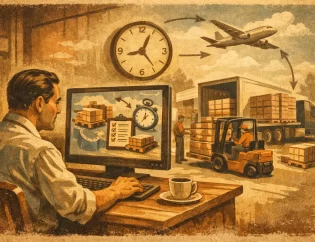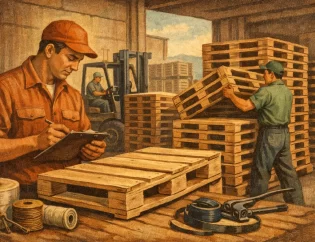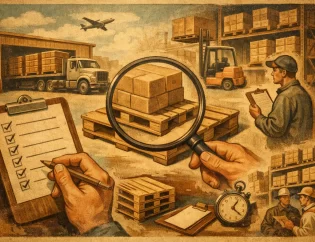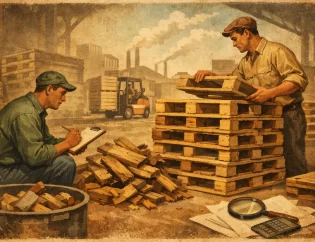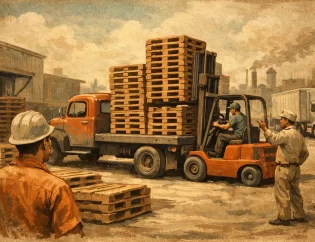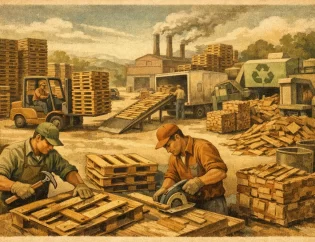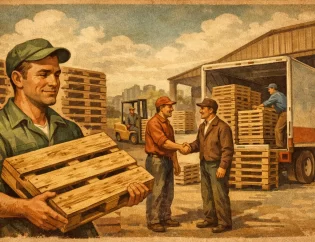

A stack of broken pallets behind a dock door does not stay a small problem for long. It turns into blocked space, added handling, safety concerns, and one more task your team has to work around. That is why pallet pickup for warehouses is not just a cleanup service. It is an operational support function that affects flow, labor, cost, and sustainability at the same time.
For warehouse managers and operations teams, the real issue is rarely the pallet itself. The issue is what happens when pallet volume is inconsistent, local vendors are unreliable, and no one has a clear process for removal, recycling, resale, or replenishment. When that happens, pallets start competing with inventory for space and attention.
Why pallet pickup for warehouses matters operationally
Warehouses are built around movement. When empty, damaged, or surplus pallets begin to collect, they interrupt that movement in ways that are easy to underestimate. A few stacks in a corner can become a daily workaround for lift truck traffic. A staging area turns into a holding area. Associates spend time shifting old pallets instead of handling product.
The financial impact is usually spread across several categories, which is why it often goes unmanaged. There is the direct cost of hauling or disposal. There is the labor cost of sorting and moving pallets internally. There is also the opportunity cost of using valuable floor space for material that should have already left the building.
Then there is the supply side. Many warehouses do not only need pallet removal. They also need pallet availability. A service model that only picks up surplus pallets solves one side of the problem, but not the whole one. In practice, warehouses benefit more from a partner that can remove excess inventory, identify reusable pallets, recycle unusable material, and supply pallets back into the operation when needed.
What good pallet pickup for warehouses should include
A warehouse pickup program should fit the operation, not force the operation to fit the vendor. That starts with scheduling. Some sites need recurring pickups because pallet volume is predictable. Others need on-demand service because inbound and outbound activity changes by season, account mix, or customer requirements.
The condition of the pallets also matters. Reusable pallets may have resale value. Mixed or damaged loads may need recycling or paid removal. A practical provider should assess volume, pallet type, and condition before setting expectations. If every pickup is treated the same way, you usually end up either overpaying for removal or missing value that could have been recovered.
Responsiveness is another factor that separates a useful service from a frustrating one. Warehouses do not have much tolerance for delayed pickups when dock space is tight or yard capacity is under pressure. A pickup window that slips by days can create downstream problems in staffing, trailer positioning, and housekeeping.
For larger organizations, visibility matters just as much as pickup itself. A company with multiple warehouses should not have to chase separate local vendors for records, invoices, and service updates. Centralized tracking helps operations, procurement, and sustainability teams stay aligned. It also makes it easier to compare locations, identify waste patterns, and manage pallet activity as part of a broader facility strategy.
The difference between hauling pallets away and managing them
Many warehouses have used general junk removal or local hauling services for excess pallets at some point. That can work for one-off cleanouts, but it is not usually the best long-term answer. Hauling removes the immediate pile. It does not create a repeatable system.
Pallet management is broader. It looks at whether pallets can be reused, resold, repaired, recycled, or removed, and it applies the right path based on material condition and business value. That distinction matters because not all pallets should be treated as waste. Some loads contain reusable inventory that can offset service costs or create direct return.
This is also where consistency becomes important. A warehouse may tolerate a patchwork of local providers when pallet volume is low. As operations grow, that approach often creates more administrative work than it saves. Each vendor may have different pricing, pickup standards, response times, and reporting practices. Multi-site businesses feel this most strongly because one location may run well while another struggles with delays and unclear accountability.
A centralized model reduces that friction. Instead of managing pallet disposal as a local exception at each site, the business can treat it as a controlled process across the network.
When warehouses should change their current approach
The trigger is not always a major failure. More often, it is a pattern of small inefficiencies that adds up over time. If your team is regularly moving old pallets out of the way, waiting too long for pickups, or paying disposal fees without understanding pallet value, the process is already costing more than it should.
Another common sign is internal confusion. If warehouse staff, procurement, and facility management all have partial responsibility for pallet issues, the result is usually inconsistent follow-through. A clear external partner simplifies ownership. Your team knows who to call, what happens next, and how the transaction will be handled.
Growth also changes the equation. A pickup setup that worked for one warehouse often breaks down across several locations. Standardizing service becomes more important once you need consistent response, reporting, and decision-making at scale.
Sustainability goals can be a deciding factor too. Companies are under more pressure to reduce landfill use and document recovery efforts. Pallet recycling supports those goals, but only if the service is structured and trackable. If pallets leave the site with little documentation, it is difficult to connect operational activity to environmental reporting.
What to ask before choosing a pallet pickup provider
The right questions are practical. Can the provider handle the volume your warehouse generates? Do they accept mixed conditions, or only clean reusable loads? Can they support recurring and on-demand pickups? Do they operate where your current sites are located and where future sites may open?
You should also ask how they determine whether a pickup is free, paid removal, or a buyback opportunity. That answer tells you whether they are evaluating pallet recovery properly or simply quoting a blanket service fee. Transparency matters here because pallet condition and marketability can vary by load.
For multi-location operations, ask how activity is tracked. Visibility across sites saves time and helps prevent billing disputes or service gaps. It also gives leadership a better view of where pallets are being recovered, where costs are concentrated, and where internal handling practices may need adjustment.
Service communication is worth checking as well. Warehouses need straightforward scheduling and clear status updates. If pickup coordination feels difficult during onboarding, it rarely becomes easier later.
A smarter model for warehouse teams
The most effective approach is one that reduces decisions at the site level without reducing flexibility. Warehouse teams should not have to become pallet recycling experts. They need a dependable process that responds to actual conditions on the floor.
That means pickups scheduled around operations, not in conflict with them. It means evaluating whether pallets should be bought, recycled, or removed instead of applying a one-size-fits-all fee. And for businesses with more than one location, it means replacing disconnected local arrangements with a single operating model that is easier to manage.
This is where an all-in-one partner can create real value. A company like Pallet Pickup can support pallet collection, recycling, resale, and supply through one coordinated service structure. For warehouse operators, that removes a layer of vendor management while improving control over cost, timing, and reporting.
The best warehouse processes are usually the ones people stop thinking about because they simply work. Pallet handling should be one of them. When pickup is reliable, material is recovered appropriately, and site teams are not wasting space or labor on avoidable buildup, pallets become one less concern for your business.