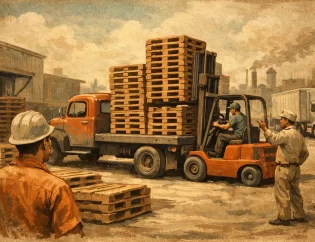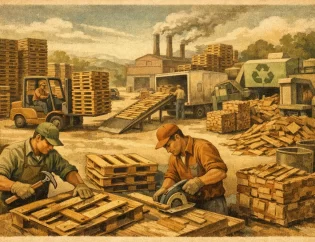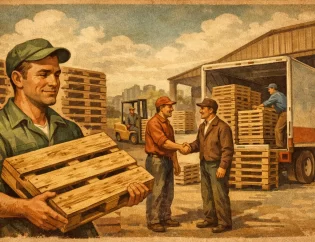

When pallets start piling up at five, ten, or fifty locations, the problem is rarely the pallets alone. It is the lack of a clear system. Multi site pallet management gives operations teams one way to schedule pickups, track volumes, recover value from reusable stock, and keep each facility aligned without chasing different local vendors.
For businesses with distributed operations, pallet activity tends to become fragmented fast. One warehouse may have a reliable recycler, another may be paying hauling fees, and a third may be storing usable pallets because no one has time to sort them. That creates unnecessary cost, inconsistent service, and very little visibility into what is actually happening across the network.
Why multi site pallet management matters
At a single facility, pallet removal can usually be handled with a few local calls and some internal oversight. Across multiple sites, that approach starts to break down. Service levels vary by region, reporting is inconsistent, and internal teams spend time solving the same problem over and over.
The bigger issue is control. If each branch handles pallets differently, leadership cannot easily answer basic questions. How many pallets were removed last month? Which sites are generating reusable inventory? Where are disposal costs too high? Which locations need pallet supply support instead of pickup?
Multi site pallet management brings those moving parts into one structure. Instead of treating every location as a separate issue, companies can manage pallet recovery and supply as one operational program. That makes it easier to standardize processes, reduce waste, and hold service expectations across the full footprint.
What a centralized pallet program should actually do
A useful program is not just a pickup schedule spread across several addresses. It should support the full pallet lifecycle. That includes removal, sorting, recycling, resale, reporting, and in many cases pallet supply.
For most operations teams, the goal is simple. They want pallets gone when they need them gone, they want reusable material handled correctly, and they want fewer vendors to manage. If some pallets have resale value, they want that captured. If broken pallets need recycling, they want that done responsibly. If a site suddenly needs inventory, they want a source that already understands their account.
That is where centralization starts to pay off. One provider can coordinate pickups based on volume, pallet type, and condition rather than forcing every location into the same service model. Some sites may qualify for free pickup. Others may require paid removal because of volume or material condition. Others may generate reusable pallets that create direct return value. A good system accounts for those differences without creating extra work for your team.
Visibility is what makes the model work
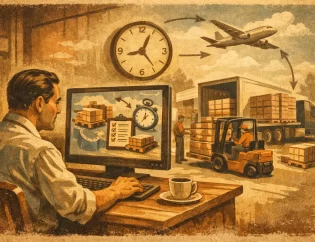
Without reporting, multi-site service is just a group of disconnected transactions. The operational value comes from visibility. When account activity is tracked across locations, businesses can see where pallets are accumulating, where recovery value is highest, and where service frequency needs to change.
This matters for cost control, but it also matters for planning. Procurement, operations, and sustainability teams often need different views of the same pallet activity. One group wants to reduce waste hauling. Another wants to understand pallet availability. Another needs numbers that support internal environmental reporting. A centralized management system makes that possible without forcing each site to build its own spreadsheet process.
The biggest problems companies run into
Most businesses do not set out to build a fragmented pallet process. It usually happens gradually. A location opens and hires a local hauler. Another facility uses a pallet buyer. A third handles overflow internally until space becomes an issue. Over time, the network ends up with too many vendors and not enough consistency.
That leads to a few common problems. The first is uneven service. Some sites get quick pickups, while others wait too long and lose usable floor space. The second is lost value. Reusable pallets are often discarded because no one is assessing them properly. The third is administrative drag. AP teams process separate invoices, operations managers chase separate contacts, and nobody has a clean view of the full picture.
There is also a sustainability gap. Many companies want to reduce landfill use and improve material recovery, but that gets difficult when pallet disposal decisions are made location by location. Centralized oversight gives businesses a more credible and measurable approach.
How to evaluate a multi site pallet management partner
National reach matters, but coverage alone is not enough. A provider also needs to be responsive at the local level. If a company can serve every region on paper but cannot adapt scheduling to actual site conditions, the account will still feel fragmented.
Look for a partner that can handle pickups, recycling, resale, and supply within one service model. That reduces handoffs and makes reporting more useful. It also helps when site needs change. A warehouse that is clearing out excess pallets this quarter may need purchased pallets next quarter. Working through one system is easier than rebuilding the process each time.
It is also worth asking how the provider handles variation. Not all locations produce the same pallet volume, and not all pallets are in the same condition. A rigid pricing or pickup model can create friction quickly. The better approach is one that adjusts by site and material profile while still keeping the account under one umbrella.
Reporting should support decisions, not just record transactions
Some reporting tools tell you what happened. Better ones help you decide what to do next. If one facility needs weekly pickup and another only needs monthly service, that should be visible. If a site is regularly generating reusable pallets with resale value, that should not be buried in a generic waste line.
The reporting does not need to be complicated. It needs to be reliable, accessible, and organized in a way that supports action. For operations teams, that usually means clear pickup records, material classifications, location-based tracking, and enough detail to spot avoidable costs.
Where the savings usually come from
Companies often assume the benefit of multi site pallet management is limited to cleaner yards and fewer pallet stacks. Those are real benefits, but the financial upside is usually broader.
Savings often come from fewer hauling charges, fewer emergency pickups, better recovery of reusable inventory, and less internal labor spent coordinating disposal. There is also the less obvious savings tied to space. Pallets take up room that could be used for product flow, staging, or safety clearance. When excess material is removed on time, facilities work better.
That said, results are not identical at every site. Some locations produce enough reusable pallets to offset costs significantly. Others may primarily need efficient removal and recycling. The value of a centralized model is that both scenarios can be managed together instead of forcing every site into the same financial expectation.
Why sustainability goals are easier to support with one system
Pallet recycling is practical first. It keeps material moving and reduces waste. But for many businesses, it also supports broader environmental goals. The challenge is proving progress when services are spread across multiple local vendors with inconsistent records.
A centralized program creates a clearer chain of accountability. Pallets are collected, sorted, recycled, and returned to market through a defined process. That makes it easier to reduce landfill reliance and document recovery efforts across the business.
For companies with ESG targets or internal sustainability benchmarks, this matters. Operational improvements and environmental responsibility do not need to sit in separate conversations. In pallet management, they often come from the same decision.
A practical way to roll out multi site pallet management
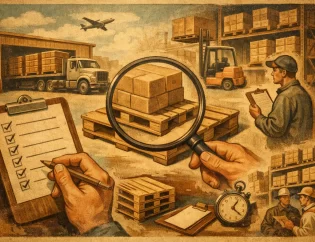
The best rollout usually starts with a baseline. Identify which sites generate pallet volume, what types they handle, how pickups are currently managed, and where costs or delays are showing up. That gives you a real picture of where standardization will help and where local flexibility still matters.
From there, consolidate communication and reporting first. Even before every site follows the exact same pickup rhythm, a shared management structure starts reducing confusion. Then service levels can be adjusted by location based on volume, pallet condition, and business need.
This is where a provider like Pallet Pickup can make a difference. Instead of asking each facility to solve pallet removal and recovery on its own, businesses can work through one partner with national coverage, coordinated scheduling, and account-level tracking.
For operations leaders, that is the real advantage. Multi site pallet management is not just about moving excess pallets off the property. It is about reducing vendor sprawl, improving visibility, recovering value where possible, and making pallet handling one less concern for your business.
If your locations are managing pallets differently today, that is usually the first sign there is a better way to run it.