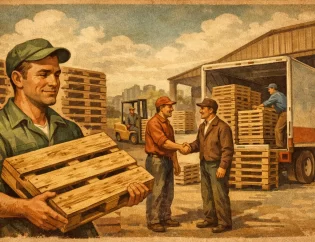

A stack of broken pallets behind a warehouse rarely stays a small problem for long. It takes up dock space, creates safety issues, adds disposal costs, and turns into one more operational task your team did not plan for. That is why business pallet recycling Canada has become less of a side service and more of a practical part of running an efficient facility.
For warehouses, manufacturers, distributors, retailers, and logistics operators, pallet volume moves with the business. Some pallets can be reused, some can be repaired, and some need to be removed and recycled. The challenge is not just getting rid of them. It is handling that flow in a way that protects space, controls cost, and avoids chasing multiple vendors every time volumes change.
Why business pallet recycling Canada matters operationally
Most companies do not think about pallets until they become a bottleneck. A few extra stacks in the yard can interfere with trailer flow. Damaged units on the floor can become a safety concern. If your team is calling local haulers one month, trying to sell reusable pallets the next, and scrambling to buy replacements after that, the process becomes fragmented fast.
A more effective approach treats pallet recovery as an ongoing part of operations. That means pickups are scheduled based on your volume, reusable pallets are separated from scrap where it makes sense, and each transaction is tracked clearly. For businesses with more than one location, that visibility matters even more. Without it, one site may be overstocked while another is short, and no one has a clean view of what is being removed, sold, or purchased.
The value of a structured recycling program is simple. It reduces internal handling, lowers waste-related costs, and creates a cleaner path for recovering value from pallets that still have resale potential. It also supports environmental goals without adding another reporting burden to your team.
What a strong pallet recycling partner should handle
Not every pallet recycling service is built for commercial volume. Some local providers can pick up when available, but that is different from managing pallet flow across active facilities. If your operation generates pallets every week, you need more than occasional removal.
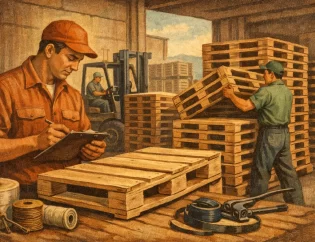
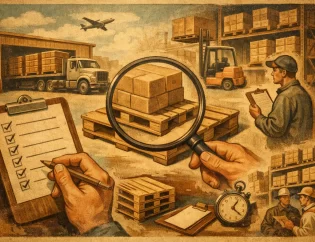
A strong provider should be able to assess pallet type, condition, and volume, then match the service to the actual need. In some cases, that means free pickup because the inventory has recovery value. In others, it may mean paid removal for low-value or heavily damaged material. If a portion of the load is reusable, your business may be able to recover direct value instead of paying to dispose of everything as waste.
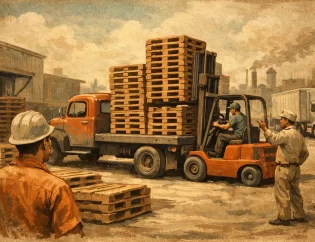
Responsiveness also matters. Pallet buildup does not wait for a convenient schedule. A missed pickup can affect yard organization, labor time, and receiving flow. The right partner gives your team a dependable process for requesting service, adjusting pickup frequency, and documenting what happened after the truck leaves.
For larger organizations, centralized account management is often the difference between a workable solution and a time-consuming one. When multiple sites rely on separate local vendors, consistency drops. Pricing varies, service records get scattered, and internal reporting becomes harder than it needs to be.
Business pallet recycling in Canada for multi-site companies
Multi-location operations face a different level of complexity. One warehouse may be producing excess 48×40 pallets while another location is short. A retail distribution network may need regular removals in one region and pallet supply support in another. If every branch handles this separately, procurement, operations, and sustainability teams end up piecing together the full picture manually.
That is where business pallet recycling in Canada works best as part of a broader pallet management model. Instead of treating pickup, recycling, resale, and pallet supply as separate issues, companies can manage them through one provider. This reduces vendor overlap and gives decision-makers a clearer view of volume, timing, and transaction history across sites.
There is also a practical budgeting benefit. When pallet activity is tracked in one system, it is easier to see where disposal costs are rising, where recoverable inventory is being missed, and where supply purchases may be reduced through better internal coordination. That kind of visibility supports better decisions, especially for businesses trying to standardize operations nationally.
The cost side is not always what companies expect
Many businesses assume pallet removal is always a straight expense. Sometimes it is. But not every pallet has the same value, and that is where a knowledgeable recycling partner can improve the economics.
Usable pallets may be resold. Repairable pallets may be recovered instead of discarded. Mixed loads may contain both recyclable material and reusable inventory. If everything is sent out as waste, your business can miss a chance to offset costs or generate revenue from surplus stock.
At the same time, it is worth being realistic. Heavily broken pallets, wet material, contaminated loads, or odd-sized units may have limited resale value. A reliable service should be clear about those trade-offs. Good pallet management is not about promising that every load pays. It is about evaluating each situation honestly and building the most efficient path for removal, recycling, and recovery.
That honesty matters because operations teams need predictable outcomes. If your internal stakeholders are asking whether pallets are an asset or a disposal problem, the answer is often both. It depends on condition, quantity, timing, and local demand. A national service model can help smooth out those variables by giving you more consistent handling and broader recovery channels.
Sustainability goals need a process behind them
For many companies, environmental responsibility is now tied directly to vendor decisions. Pallet recycling supports that goal, but only when the process is organized enough to be repeatable. If reusable pallets are being landfilled because pickup is inconsistent, or if damaged material is sitting on site for months, the sustainability story weakens quickly.
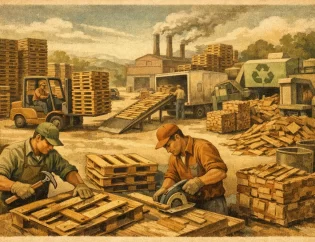
A better system keeps pallets moving into the right channels – reuse where possible, recycling where necessary, and disposal only when there is no better option. That approach reduces unnecessary waste and supports cleaner operational reporting.
It also helps internally. Facility managers and operations leaders often need practical ways to support sustainability initiatives without adding administrative work. Pallet recycling fits when it is tied to scheduled service, clear transaction records, and straightforward communication. The environmental benefit is real, but the process still has to work on the ground.
What implementation should look like
The best pallet recycling programs are easy for site teams to follow. Your team should know how to request a pickup, what pallet types are accepted, how material should be staged, and what to expect after collection. If that process is unclear, the program usually breaks down at the facility level.
A service-led model keeps things simple. Volume and pallet condition are reviewed. Pickup terms are set based on whether the load has reusable value, recycling value, or disposal cost. Ongoing locations can move to a regular schedule, while variable-volume sites can request service as needed. If the provider also buys and sells pallets, your business gains an added advantage – removal and replenishment can be handled through the same relationship.
That matters in real operations. A facility might need to clear old stock this month and buy usable pallets next month. Working with separate vendors for each step adds friction, especially when timing is tight. A centralized partner reduces that handoff problem and gives your team one less concern to manage internally.
Pallet Pickup is built around that kind of model, combining pickup, recycling, resale, and tracking for businesses that need a practical national solution.
How to evaluate your current setup
If you are reviewing your current pallet process, start with a few direct questions. Are pallets building up faster than they are being removed? Are reusable units being thrown out with scrap? Are different locations using different vendors with no shared reporting? Are you paying disposal costs on inventory that may still have value?
If the answer to any of those is yes, your pallet program is likely costing more time or money than it should. That does not always mean your business needs daily pickups or a complex contract. It may simply mean you need a provider that can scale service to your actual volume and give you a clearer line of sight across locations.
The right pallet recycling solution is not the one with the broadest claims. It is the one that fits your operation, responds when volume changes, and makes pallet removal, recovery, and supply easier to manage. When that process is handled well, pallets stop being a recurring problem and start becoming a controlled part of your operation.
A cleaner yard, fewer vendor calls, better cost visibility, and a stronger sustainability position are all useful outcomes. More than anything, though, a reliable recycling program gives your team time back to focus on the work that keeps the business moving.