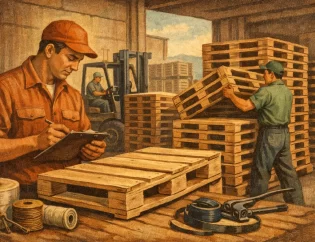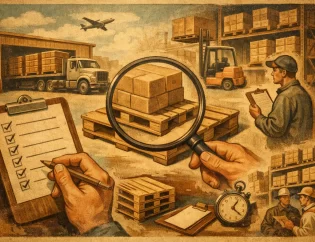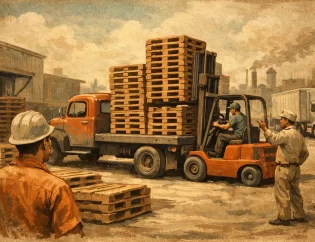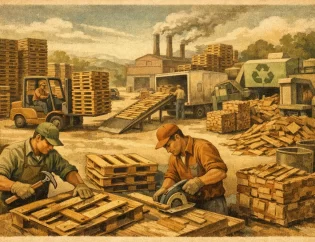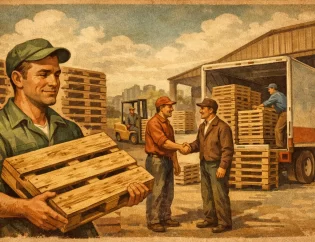

A full trailer of mixed pallets sitting behind a warehouse does not look like a major operational issue until it starts taking up dock space, creating safety concerns, and adding disposal costs. That is where a practical plan for used pallets Canada businesses can buy, sell, recycle, and remove becomes a real advantage. For companies moving product every day, pallet management is not a side task. It affects space, labor, vendor coordination, and cost control.
For many operations teams, the problem is not just getting rid of excess pallets or finding supply when inventory runs short. The bigger challenge is managing both sides at once across one site or many. A business may need regular pickups at one location, used pallet supply at another, and clear reporting across all of it. When those needs are split between different local vendors, pallet management becomes harder than it should be.
Why used pallets Canada demand keeps growing
Used pallets remain in demand because they solve two business needs at the same time. They help control purchasing costs, and they support reuse instead of sending recoverable material into the waste stream. For warehouses, manufacturers, distributors, and retailers, that combination matters.
A used pallet is not automatically a lower-value option. In many applications, recycled pallets are the right fit for day-to-day shipping, storage, and internal movement. If the pallet is structurally sound and matched to the intended load, it can do the job well while costing less than new inventory. That makes used pallets a practical purchasing category, not a compromise.
The other side of the market is just as important. Businesses that generate pallet surplus often have usable inventory sitting on site without a plan. Some pallets can be recovered for resale. Some can be recycled. Some may require paid removal depending on condition, quantity, and mix. The outcome depends on what is on the floor, not on a one-size-fits-all service model.
Buying used pallets in Canada without creating new problems
The lowest pallet price is not always the lowest operating cost. If a shipment arrives late, includes poor-quality pallets, or varies from order to order, the savings disappear quickly. That is why buyers should evaluate supply reliability just as closely as unit cost.
When sourcing used pallets in Canada, businesses should look at pallet type, dimensions, repair standard, and consistency. A warehouse that runs standard 48×40 grocery pallets has different needs than a manufacturer moving custom loads. Procurement decisions should reflect actual use conditions, including racking requirements, export needs, load weight, and how often pallets circulate through the operation.
It also helps to think beyond the immediate purchase. If the same vendor can remove surplus pallets, recover reusable inventory, and resupply when needed, the process becomes much easier to manage. That reduces time spent coordinating multiple companies and gives operations teams a clearer view of pallet flow over time.
Selling and removing excess used pallets Canada locations generate
Most commercial sites do not produce one clean stack of reusable pallets. They generate a mix. Some are standard and reusable. Some are broken but recyclable. Some are odd sizes that are harder to move. The right service approach depends on that mix, along with total volume and pickup frequency.
This is where businesses often lose time and money. A local hauler may treat all pallets as waste, even when part of the load has resale value. Another vendor may only want premium pallets and refuse the rest. That leaves staff sorting, storing, and chasing multiple pickups while pallets continue to accumulate.
A better approach is to assess the pallets as an inventory stream, not just as debris. Reusable pallets may be purchased. Lower-grade material may still be suitable for recycling. In some cases, pickup can be provided at no charge. In others, removal may carry a fee because of condition or disposal requirements. The important part is having a service model that adjusts to the material on site instead of forcing the business into one fixed outcome.
What operations teams should look for in a pallet partner
For businesses with recurring pallet activity, service consistency matters more than one-time convenience. A dependable provider should be able to schedule pickups promptly, communicate clearly, and support changing volume without creating extra administrative work.
National coverage is especially valuable for companies with multiple facilities. If each branch manages pallets through separate local contacts, there is usually no unified reporting, no standard process, and no easy way to compare costs or recovery across locations. That creates blind spots. It also makes sustainability reporting harder when no one can see the full picture.
A centralized pallet management model solves that. One provider can coordinate pickups, supply, recycling, and transaction tracking across regions while giving the customer one process to manage. That is easier for operations, easier for procurement, and easier for finance teams reviewing service activity.
For many businesses, this is the point where pallet management shifts from reactive cleanup to a controlled operating function.
Used pallets Canada strategies for multi-site businesses
Multi-site companies usually face the same problem in different forms. One location has pallet overflow and wants pickups fast. Another is short on usable pallets and needs supply. A third may be paying disposal costs simply because no one has reviewed whether those pallets have recoverable value.
Without a shared system, each site makes local decisions and the company loses efficiency at the national level. Reporting becomes manual. Service quality varies by market. Internal teams spend time solving the same issue over and over.
A coordinated used pallets Canada strategy should bring those moving parts together. That means standardizing how pickups are requested, how pallet grades are evaluated, how transactions are documented, and how each location is supported. It also means having access to a management platform where activity can be tracked instead of relying on scattered emails and invoices.
This type of visibility supports better planning. If one region is generating reusable inventory while another is buying similar pallets, that information should not stay siloed. Better coordination can reduce waste hauling, improve asset recovery, and make pallet purchasing more predictable.
Cost, sustainability, and why both matter
Businesses do not need to choose between operational savings and environmental responsibility. With pallets, the two often align.
Recovering reusable pallets keeps material in circulation longer. Recycling broken pallets reduces landfill disposal. Buying used pallets can lower procurement costs while supporting a more efficient material lifecycle. For companies with internal sustainability targets, that matters. For companies focused strictly on cost, it still matters because waste usually comes with labor, storage, and hauling expense.
There are trade-offs, of course. Not every used pallet is right for every load. Not every surplus stack has resale value. Some businesses need a tighter repair standard than others. But that is exactly why pallet programs should be based on real operating conditions rather than assumptions.
A strong pallet recycling partner helps businesses make those calls clearly. Instead of treating pallet volume as a nuisance, they help convert it into a managed flow of removal, recovery, recycling, and supply.
When to move from occasional pickups to a formal program
If pallets only build up a few times a year, an as-needed service may be enough. But if your team regularly deals with overloaded storage areas, inconsistent pickups, rushed pallet purchases, or rising disposal invoices, the issue is no longer occasional. It is part of your operating environment.
That is usually the right time to move to a formal pallet management program. The goal is simple: reduce friction. Your locations should know how to request service, what to expect, and how pallet transactions are tracked. Your team should not have to manage separate vendors for buying, selling, recycling, and removal.
For commercial operations across Canada, that kind of structure creates measurable value. It saves time at the site level, improves accountability across locations, and supports both cost control and sustainability goals. Companies like Pallet Pickup are built around that model because businesses need pallet service that works like an operating solution, not a one-off cleanup.
If used pallets are moving through your business every week, they deserve the same level of planning as any other recurring supply and recovery category. When handled well, pallets become one less concern for your business.