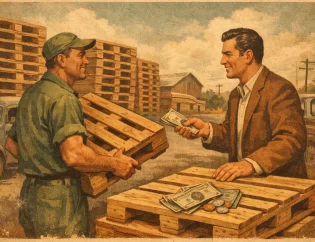

A stack of broken pallets behind the dock usually starts as a small nuisance and turns into an operational problem fast. If you are figuring out how to recycle broken pallets, the real goal is not just getting rid of scrap wood. It is keeping yards clear, reducing hauling costs, recovering value where possible, and making sure the process works across every location that generates pallet waste.
For most businesses, broken pallets are not all the same. Some can be repaired. Some can be dismantled for parts. Some are only suitable for material recycling. Treating every damaged pallet as trash is where unnecessary cost creeps in.
How to recycle broken pallets without creating more work
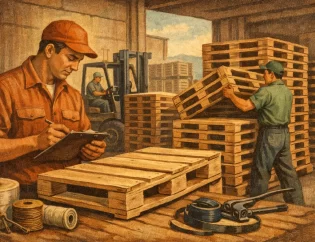
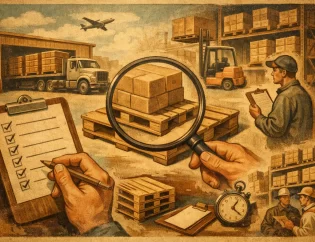
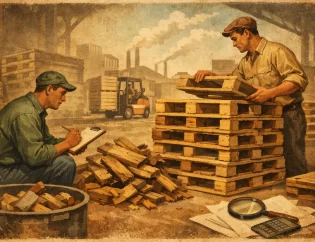
The most efficient recycling process starts with sorting by condition, not by guesswork. A pallet with a split deck board may still be repairable. A pallet with major structural failure, rot, contamination, or missing components is usually better directed to dismantling or wood recycling.
That distinction matters because the highest-value outcome is almost always reuse or repair. Once a pallet is broken down into scrap, the value drops. For warehouses, manufacturers, and distributors, that means a simple inspection step can have a direct impact on cost recovery.
At the site level, this usually works best when teams separate pallets into three groups: reusable, repairable, and non-repairable. Reusable pallets can go back into circulation or resale. Repairable pallets can be rebuilt if the economics make sense. Non-repairable pallets should be consolidated for pickup and recycling rather than mixed into general waste.
If your operation handles volume across multiple facilities, consistency matters more than perfection. A clear standard for what counts as reusable versus broken will save time and reduce back-and-forth with vendors or internal teams.
Start with the pallet type and condition
Not every broken pallet belongs in the same stream. Standard wood pallets are the most common and the easiest to recover because boards, stringers, and blocks may still have salvage value. Plastic and metal pallets follow different recycling paths and generally need specialized handling.
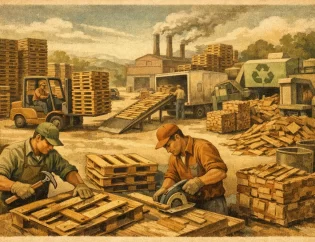
For wood pallets, condition drives the next step. Light damage often means repair. Heavier damage may still allow dismantling so usable lumber can support other pallet repairs. When a pallet is too far gone, it can be processed into recycled wood material. That can include mulch, animal bedding, biomass feedstock, or other secondary uses, depending on local market conditions and contamination rules.
The key trade-off is labor versus recovery value. If your staff is spending too much time evaluating and moving damaged pallets, a cheaper recovery option on paper can become more expensive in practice. That is why many commercial sites prefer a pickup partner that can assess mixed loads and route them appropriately.
When broken pallets should be repaired instead of recycled
If you want to know how to recycle broken pallets in the most cost-effective way, start by asking whether recycling is even the right first step. A broken pallet with limited damage may still be worth repairing, especially if it is a standard size with strong resale demand.
Repair often makes sense when the pallet has minor board damage, intact core structure, and no contamination. It makes less sense when there are repeated failures, odd dimensions, or low-grade material that will not hold up in circulation. Businesses that generate a steady stream of damaged pallets usually benefit from having this decision made externally rather than assigning it to warehouse labor.
That approach reduces internal handling and avoids the common problem of over-scrapping inventory that still has value. It also supports sustainability goals more directly. Extending the life of a pallet is generally a better environmental outcome than grinding it into material and starting over with a replacement pallet.
Why disposal is usually the most expensive option
Throwing broken pallets into an open-top container feels simple, but it tends to be the least efficient route. You pay for hauling, landfill or transfer fees, container space, and labor to move material that may still have recoverable value. You also lose visibility into what was reusable, what was recyclable, and what was wasted.
For a single site with low pallet volume, that cost may be tolerable for a while. For a distribution network or multi-site operation, it adds up quickly. Disposal also creates avoidable pressure on dock space and yard organization, especially when damaged pallets pile up between waste pickups.
A structured recycling program changes that equation. Instead of paying to remove everything as waste, businesses can sort out reusable inventory, recycle broken units through the appropriate channel, and potentially offset part of the cost through pallet recovery. The exact financial outcome depends on pallet mix, condition, quantity, and location, but the operational benefit is usually immediate.
Build a practical process for broken pallet recycling
The best system is the one your team will actually follow during a busy shift. That usually means keeping the process simple and tied to normal material flow.
Designate a collection area for damaged pallets near receiving or outbound operations, but not where they interfere with traffic. Label sections clearly so reusable and broken units do not get mixed together. If contamination is a concern, separate those loads as well. Food residue, chemicals, heavy moisture exposure, or embedded debris can change how wood can be recycled.
Pickup frequency should match pallet generation, not a fixed calendar. Some businesses need scheduled service every week. Others do better with on-demand pickup triggered by volume thresholds. If your pallet output changes seasonally, your recycling program should flex with it.
Documentation is another factor that gets overlooked. If different sites are shipping out broken pallets with no tracking, it becomes hard to compare costs or measure recovery. Centralized reporting helps operations leaders understand where pallets are being generated, where value is being lost, and how service levels differ across locations.
How to recycle broken pallets across multiple locations
This is where many businesses run into friction. A single warehouse can often manage pallet recycling with local workarounds. A regional or national footprint is different. Different vendors, inconsistent pickup times, varying reporting, and uneven pallet grading standards can turn a basic recycling task into an administrative burden.
A centralized approach works better when multiple facilities need the same outcome: remove broken pallets, recover value from usable units, and keep reporting clean. Instead of each location improvising its own process, a single program can standardize pickups, condition assessment, and transaction visibility.
That matters for both cost control and sustainability reporting. If one facility repairs and resells pallets while another sends similar material to waste, the business is not getting a consistent return. The larger the footprint, the more that inconsistency costs.
For companies that want one less concern for their operations teams, a national pallet recycling partner can simplify that process. Pallet Pickup, for example, supports pickup coordination, recycling, resale, and tracking through a single service model built for commercial volume.
Common mistakes that reduce recovery value
The biggest mistake is mixing broken pallets with trash, shrink wrap, cardboard, or damaged product. Once that happens, recycling options narrow and labor costs go up. Clean segregation protects the highest-value recovery path.
Another issue is storing broken pallets too long. Weather exposure can turn repairable inventory into scrap. Wet wood, rot, mold, and contamination all reduce what can be recovered. If pallets are accumulating outside, speed matters.
Some businesses also assume all broken pallets are worthless. In reality, a mixed load may contain reusable cores, repairable units, and recyclable scrap. If everything is treated as disposal, those recovery opportunities disappear.
Finally, many operations underestimate the cost of internal handling. If warehouse staff are repeatedly moving broken pallets from dock to yard to dumpster, the labor cost is real even if it does not show up under pallet recycling. A better pickup process reduces touches and keeps labor focused on core operations.
What to ask a pallet recycler
If you are evaluating options, focus on what happens after pickup. Ask whether pallets are sorted for reuse, repair, and recycling. Ask how mixed-condition loads are handled. Ask whether service can scale by location, volume, and pallet type.
You should also ask about reporting. For businesses with multiple sites, visibility matters almost as much as removal. Knowing how many pallets were picked up, what condition they were in, and whether value was recovered helps justify the program internally.
The right provider should make pallet recycling easier, not create another vendor-management task. That means responsive scheduling, clear communication, and a process that fits the reality of shipping and receiving operations.
Broken pallets are part of doing business in any active supply chain. The real decision is whether they stay a recurring mess or become a managed recovery stream that saves space, reduces cost, and supports your environmental goals. When the process is built around your operation, recycling becomes less about waste removal and more about keeping your business moving.