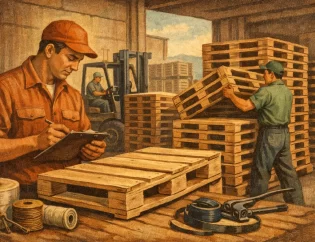

Stacks of broken or surplus pallets rarely stay a small problem for long. They take up dock space, create safety issues, and usually turn into a line item someone has to explain. When businesses compare pallet recycling vs disposal, the real question is not just where the pallets go. It is which option reduces cost, keeps operations moving, and supports company sustainability goals without adding more work.
For most commercial sites, disposal looks simple at first and gets expensive over time. Recycling takes a little more coordination, but it often returns more value and creates less friction across the operation. The right choice depends on pallet condition, volume, site layout, and how often pallets accumulate.
Pallet recycling vs disposal: the basic difference
Disposal means pallets are treated as waste. That usually involves loading them into a dumpster, arranging haul-away service, or sending them to a landfill or waste processor. It is a one-way outcome. Once they are discarded, any resale or reuse value is gone.
Recycling means the pallets are recovered for a higher use. Usable pallets may be sorted, repaired, resold, or returned to circulation. Damaged pallets may be broken down for parts, ground for secondary material use, or processed through a wood recycling stream. From an operations standpoint, recycling is less about getting rid of pallets and more about managing them as recoverable assets.
That distinction matters. If your business handles pallet volume every week, the way you classify that material directly affects hauling cost, labor time, and reporting.
Why disposal feels easier
Disposal is often the default because it appears fast. When a site is crowded and trailers need to turn quickly, tossing pallets into the waste stream can seem like the easiest decision. There is no sorting standard to set, no recovery process to think through, and no concern about whether pallets are reusable.
For a business with very low pallet volume or heavily contaminated wood waste, disposal may be appropriate. If pallets are mixed with trash, soaked, chemically exposed, or unsafe to handle, waste removal may be the cleaner option.
But convenience at the moment of disposal can hide bigger costs. Dumpsters fill faster. Waste pickups increase. Employees spend time dragging bulky material to a bin instead of handling outbound shipments or put-away tasks. And once pallets are treated as garbage, there is no chance to recover value from good inventory.
Why recycling usually makes more operational sense
Recycling works better when a business wants a controlled process instead of an ongoing cleanup problem. Surplus pallets can be staged, picked up, sorted, and routed based on condition. That reduces clutter and keeps docks, yards, and back-of-house areas more usable.
The financial side is often the deciding factor. Depending on pallet type, condition, and local market demand, recyclable pallets may qualify for free pickup, paid removal, or direct purchase. Even when there is no revenue attached, recycling can still lower total cost by reducing landfill fees and cutting the frequency of waste service.
There is also a reporting benefit. Many companies are under pressure to document diversion from landfill and support internal environmental targets. Recycling gives operations and sustainability teams a clearer story than disposal does, especially across multiple facilities.
Cost comparison: short-term spend vs total cost
If you only compare the immediate act of getting pallets off-site, disposal can look competitive. Put them in the dumpster, schedule the haul, and move on. But that is a narrow view of cost.
A better comparison includes container usage, labor, site congestion, and lost resale value. A load of reusable pallets that gets trashed may increase waste volume and erase a potential credit. A recycling program, by contrast, can reduce pressure on dumpsters and convert part of that material stream into a managed recovery channel.
The cost difference grows for multi-site operations. When each facility handles pallets differently, waste spending becomes harder to control and harder to track. One site may be paying to throw away pallets that another site would have sold or recycled. A centralized recycling program creates more consistency and less guesswork.
Pallet condition changes the answer
Not every pallet should be recycled, and not every damaged pallet belongs in the trash. Condition is the first filter.
Standard 48×40 pallets in decent shape often have the highest recovery value because they can be reused or repaired efficiently. Mixed-size pallets, custom skids, and heavily damaged units may still be recyclable, but the economics vary. If a pallet is missing boards, has cracked stringers, or shows normal wear, it may still belong in a recovery stream. If it is contaminated, mold-heavy, burned, or structurally unsafe, disposal may be the better route.
This is where many businesses lose value. They treat all pallets the same because sorting takes time. In practice, even basic separation between reusable pallets and true waste can improve outcomes quickly.
Space, safety, and workflow matter too
Pallet recycling vs disposal is not only about environmental impact. It also affects day-to-day site performance.
Loose pallet stacks can block staging lanes, reduce trailer access, and create trip or collapse hazards. When there is no regular recovery plan, pallets tend to collect in corners, behind containers, and along exterior walls. That creates visual clutter and operational drag.
A recycling program works best when pickup timing matches volume. Regular recovery prevents pileups and gives warehouse teams a defined place to put excess inventory. That kind of structure matters in fast-moving facilities where floor space is already tight.
Disposal can solve the immediate space issue, but only if the waste setup can handle bulky wood consistently. Otherwise, the overflow just shifts from one part of the property to another.
Environmental impact is real, but it should support the business case
Most businesses do not want a sustainability program that creates extra admin work or slows down shipping. The value of pallet recycling is that it can support environmental goals while improving operations.
Recycling keeps reusable wood products in circulation longer and reduces landfill use. It also supports a more efficient supply chain by returning repaired pallets back into the market instead of replacing them with newly manufactured units wherever possible.
That said, sustainability claims only matter if the program is reliable. If pickups are inconsistent or sites are left managing overflow, the environmental benefit gets overshadowed by operational headaches. The strongest recycling setup is one that makes the greener option easier for the facility team, not harder.
When disposal is the better choice
There are cases where disposal is reasonable. Very small sites with occasional pallet waste may not generate enough volume for a structured recycling program. The same applies to pallets that are contaminated, unsafe to transport, or mixed into a broader waste stream with no practical way to separate them.
Disposal can also be a temporary fix during cleanouts, emergency site resets, or one-time property turnovers. But even then, it helps to separate reusable pallets first. Throwing everything away is simple, but it is rarely the most cost-effective move.
When recycling is the stronger option
Recycling usually wins when your site produces pallet volume consistently, has recurring pickup needs, or wants tighter control over waste and recovery costs. It is especially effective for warehouses, manufacturers, distributors, retailers, and logistics operations that move palletized goods every day.
The case gets stronger if you operate more than one location. Standardizing pallet pickups, tracking volumes, and applying the same service model across facilities reduces local variability and makes budget planning easier. That is one reason businesses work with providers that can manage pickup, recycling, resale, and reporting under one program rather than relying on separate local vendors.
How to make the right call for your business
Start with volume. If pallets build up weekly, they should be managed as an ongoing material stream, not occasional trash. Then look at condition. If a meaningful share of your pallets are reusable or repairable, disposal is likely leaving money on the table.
Next, review your current waste costs and labor time. Many businesses know what they pay for dumpsters but do not account for the internal time spent moving, stacking, and clearing pallet waste. That hidden labor adds up.
Finally, consider visibility. If you need cleaner reporting, more predictable pickups, or a simpler process across multiple sites, recycling has a clear advantage. A partner such as Pallet Pickup can help determine whether your pallets qualify for purchase, free pickup, or paid removal based on type, volume, and condition.
The best pallet program is the one that removes friction from your operation. If disposal keeps showing up as a recurring cost, recurring mess, and recurring space problem, it may be time to treat pallets less like waste and more like something worth managing properly.