A loading area can go from manageable to congested quickly when empty pallets begin stacking up. For warehouse, manufacturing, retail, and distribution teams, the question is not simply who picks up surplus pallets. It is whether the pickup partner can handle the volume, assess the inventory fairly, arrive when scheduled, and keep the process from creating more work for staff.
The right answer depends on the pallets you have, their condition, how many are ready for removal, and whether you need one pickup or ongoing service. A commercial pallet recycler or pallet management provider is often the best fit because it can recover reusable pallets, recycle damaged material, and coordinate pickups around your operations.
Who picks up surplus pallets for commercial sites?
Commercial pallet recycling companies, pallet buyers, and specialized pallet pickup providers collect excess pallets from businesses. Unlike general waste haulers, these providers evaluate pallets for reuse before sending damaged material into a recycling stream. That distinction can affect both your costs and the value of your surplus inventory.
For businesses with regular pallet flow, a dedicated pickup provider can schedule recurring collections and create a predictable process for each location. This is particularly useful for organizations with several warehouses, retail distribution points, or manufacturing facilities. Instead of calling a different local vendor whenever pallets accumulate, operations teams can work through one account structure and maintain clearer records.
Some companies also buy reusable pallets. Standard 48-by-40-inch wood pallets in good, repairable condition are commonly in demand, although market requirements vary by region and customer needs. Pallets that are broken, heavily contaminated, unusually sized, or mixed with other debris may still be removable, but they may require recycling or paid disposal rather than generating a credit.
The pickup option depends on pallet condition and volume
Not every stack of pallets has the same pickup arrangement. A reliable provider should explain the likely option before dispatching a truck, based on the photos, pallet count, type, access conditions, and local market demand.
Reusable pallets may have resale value
Pallets in sound condition can often be collected for resale or repair. Typical candidates include standard-sized wood pallets with intact deck boards, stringers, and blocks, as well as certain reusable plastic pallets. If the inventory is consistent and there is enough volume to support transportation, the provider may offer payment or a credit for the pallets.
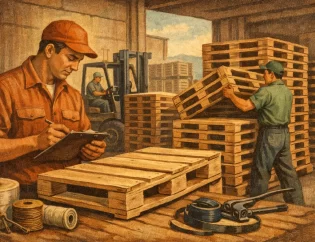
Condition matters as much as quantity. A stack of uniform, dry, undamaged pallets is easier to sort, transport, and remarket than a mixed pile containing several sizes and extensive damage. Keeping usable pallets separate gives the pickup team a clearer view of what can be recovered.
Mixed or damaged pallets are usually recycled
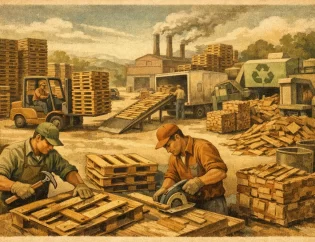
Broken pallets do not need to become a waste management problem. Pallet recyclers can sort repairable units from material that should be dismantled or processed into wood products. This keeps recoverable wood in circulation and helps reduce the amount of pallet material sent to landfill.
There can be a cost for removal when pallets are heavily damaged, contaminated, scattered across a site, or below the minimum volume needed for an efficient route. Paid removal is not necessarily a poor outcome. It can still be less expensive and less disruptive than using general waste service, assigning employees to break down pallets, or allowing stacks to block usable space.
High-volume sites benefit from scheduled service
A one-time pickup works well after a warehouse cleanout, facility move, seasonal rush, or change in shipping activity. But sites that accumulate pallets every week or month usually benefit from a regular pickup schedule. The schedule can be adjusted as volume changes, helping prevent overflow without arranging unnecessary truck visits.
For multi-location organizations, consistency is the larger advantage. A centralized provider can establish site-specific requirements while giving corporate teams visibility into transactions, pickup activity, and pallet movement across the network. That reduces the administrative burden of managing several local arrangements.
What a pallet pickup company needs before scheduling
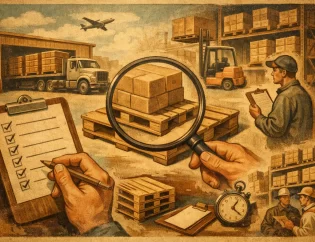
The fastest way to arrange removal is to provide a clear picture of the inventory and the site. Most commercial pickup providers will ask about the approximate pallet count, pallet sizes, condition, and whether the pallets are wood, plastic, or another material. Photos are useful because they show stack quality, damage levels, and whether different pallet types are mixed together.
Access details are equally important. The provider needs to know whether pallets are stored at a dock, inside a warehouse, in a trailer, or outdoors. They may also need information about loading hours, gate procedures, safety rules, forklift availability, and space for a truck to enter and turn around.
Be direct about any contamination or non-pallet material. Shrink wrap, cardboard, metal, broken racks, trash, and loose debris can change the scope of the pickup. A clean, accessible pallet stack is simpler to collect and more likely to qualify for the most favorable service arrangement.
How to prepare surplus pallets for pickup
Preparation does not need to become a major warehouse project. The goal is to make counting, loading, and sorting straightforward. Stack pallets securely by type and size when possible, then separate clearly reusable pallets from obvious scrap. Keep stacks away from traffic lanes, fire exits, and active loading areas until the truck arrives.
Avoid adding trash or other waste to pallet stacks. A pallet recycler is equipped to manage pallets, not a mixed waste pile. Combining materials can reduce resale value, slow down loading, and lead to added removal charges.
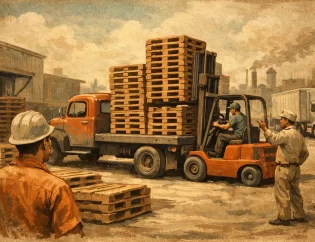
If your team uses forklifts, confirm whether staff will load the pickup truck or whether the provider will bring the equipment needed for collection. This varies by site and service model. Clarifying responsibilities before the appointment helps the pickup stay on schedule and protects dock productivity.
Why general junk removal is not always the best answer
Junk removal companies can be useful for mixed cleanup projects, but surplus pallets are a specialized material stream. A general hauler may charge based on truck space or disposal volume without considering whether your pallets can be reused or repaired. That can turn recoverable inventory into an avoidable cost.
A pallet-focused provider evaluates the material differently. Reusable pallets can be remarketed, repairable pallets can be restored, and damaged wood can be recycled. The result is a service approach that aligns better with warehouse efficiency, cost control, and sustainability goals.
This does not mean every pickup will be free or paid. Transportation distance, local demand, pallet condition, volume, and site access all influence the outcome. The practical benefit is knowing those factors upfront and working with a provider whose business is built around pallet recovery rather than disposal alone.
Choosing a pickup partner for ongoing pallet management
When evaluating who picks up surplus pallets, look beyond the first available truck. A dependable partner should be able to explain how it handles reusable, repairable, and scrap pallets; provide responsive scheduling; and support the pickup needs of your specific facility.
National or multi-region operations should also ask how service is managed across locations. Centralized reporting and transaction tracking can help procurement, operations, and sustainability teams understand where pallets are leaving the network, where value is being recovered, and where recurring excess is being generated.
Pallet Pickup supports commercial customers with pallet collection, recycling, resale, and supply management designed around site volume and pallet condition. Whether the need is a one-time removal or a recurring program across multiple facilities, the objective is straightforward: remove the accumulation, recover value where possible, and give your team one less operational concern.
Start with a count, a few clear photos, and an honest assessment of your pallet condition. That small amount of preparation makes it easier to arrange the right pickup service and turn a crowded pallet area back into productive space.