A stack of unused pallets can take over a loading area faster than most teams expect. It blocks usable floor space, creates safety concerns, and can leave your operation paying for waste hauling when some of that inventory may still have value. Knowing how to request pallet pickup starts with giving a provider a clear picture of what is on-site and what your facility needs next.
For commercial operations, pickup should not be a one-off cleanup that creates more work later. The right arrangement can remove surplus pallets, recover reusable material, support recycling goals, and establish a dependable process for future volumes.
How to Request Pallet Pickup: Start With the Right Details
A pickup request is easier to schedule when the provider can quickly assess the type, quantity, condition, and location of your pallets. This information helps determine whether the pallets can be purchased, collected at no charge, removed for a fee, or directed to a recycling stream.
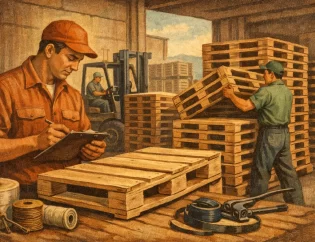
Start by identifying the approximate number of pallets at your facility. An exact count is useful, but an honest estimate is usually enough for an initial request. A provider also needs to know whether the pallets are standard 48 x 40 wood pallets, custom sizes, plastic pallets, block pallets, stringer pallets, or a mixed load. Standard, reusable sizes generally offer the strongest resale potential, while broken or unusual pallets may require a different removal plan.
Condition matters just as much as quantity. Separate pallets that are clean, dry, and structurally sound from those that are damaged, contaminated, painted, or heavily weathered. A few repairable boards do not automatically make a pallet unusable, but mold, chemical exposure, food residue, or major structural damage can affect how it is handled.
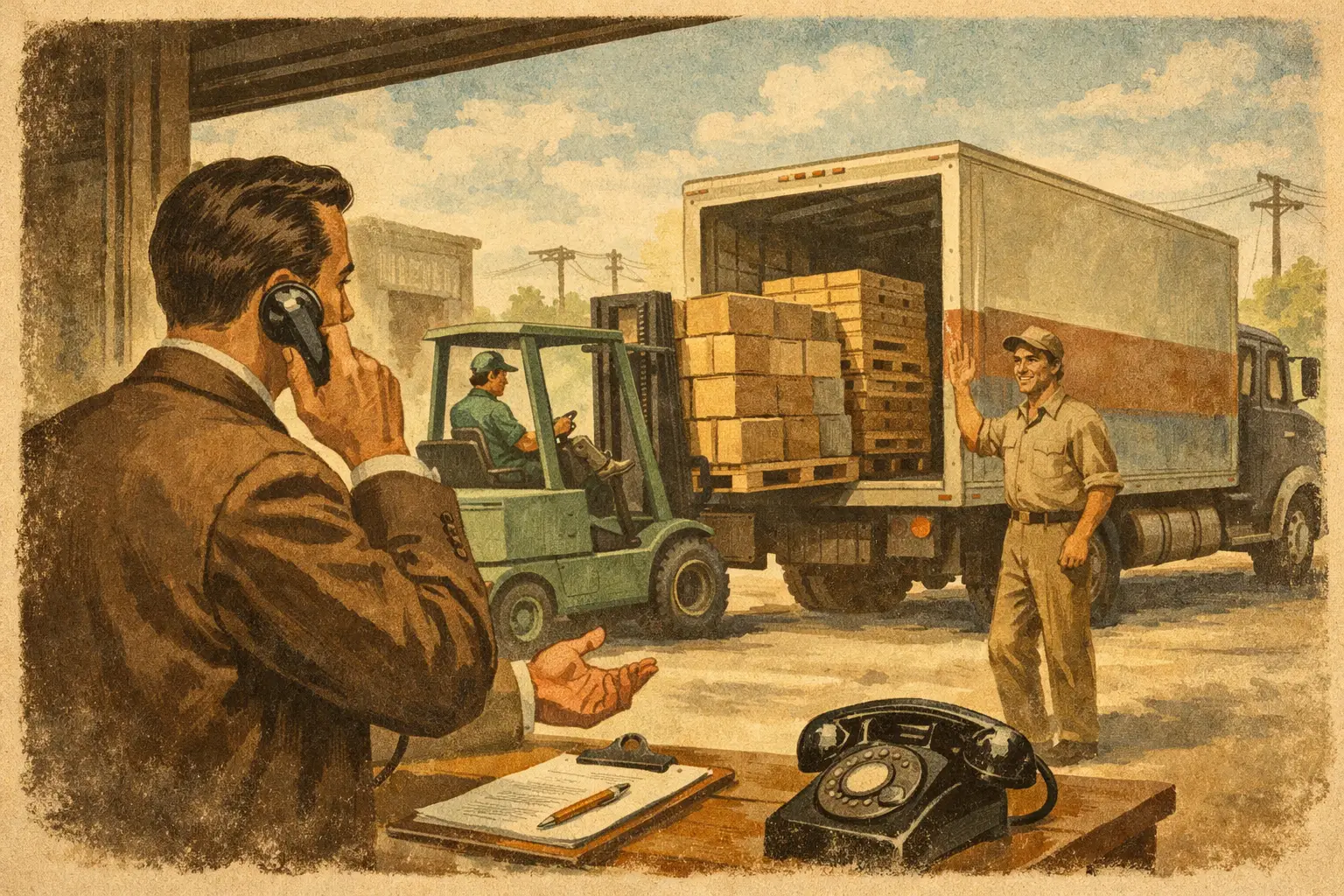
Include your facility address, contact name, preferred pickup window, and any access details that could affect the driver. For example, mention whether the pallets are at a dock, in a yard, behind a gate, or inside a warehouse. If there are appointment requirements, security check-in procedures, limited truck access, or time restrictions, share them early. Small details prevent missed pickups and unnecessary delays.
Understand What Determines Pickup Cost or Value
Not every pallet pickup is handled the same way. The outcome depends on whether the material has resale value, how much inventory is available, the condition of the pallets, and the cost of collecting them from your location.
Reusable standard pallets in meaningful volume may be eligible for payment. In other cases, the value of the pallets can offset the cost of transportation, resulting in free pickup. Low-volume, damaged, mixed, or difficult-to-access loads may require paid removal. This is not a sign that the service is less useful. It reflects the labor, equipment, transportation, and processing required to clear the material responsibly.
The most productive approach is to provide accurate information rather than assuming every pallet has the same market value. A clear assessment allows the pickup provider to recommend the most practical option for your facility and avoids surprises when the truck arrives.
If your operation also buys pallets, mention that during the request. A pallet management provider may be able to coordinate removal of surplus inventory while helping you source replacement pallets for outgoing shipments. Combining pickup and supply through one partner can reduce vendor coordination and simplify purchasing decisions.
Prepare the Pallets Before Pickup Day
Once a pickup is scheduled, organize the material so it can be loaded safely and efficiently. Whenever possible, stack similar pallets together and keep reusable pallets separate from scrap. This makes it easier to confirm the load, reduces sorting time, and supports a fairer evaluation of reusable inventory.
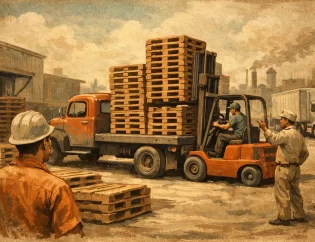
Keep the pickup area clear of loose shrink wrap, debris, damaged packaging, and other obstructions. Pallets should be accessible to the equipment being used, whether that means a forklift, pallet jack, trailer, or truck-mounted loading system. If your team will load the truck, confirm that expectation in advance. If the provider is responsible for loading, make sure the material is staged where it can be reached safely.
Avoid stacking pallets too high or creating unstable piles. A rushed cleanup should not introduce a workplace hazard. If the pallets are stored outdoors, consider weather conditions as well. Wet or snow-covered pallets may be harder to handle and can lose resale value if they deteriorate over time.
A designated staging area is often worth establishing for facilities that generate pallets regularly. It keeps excess material from spreading across the dock or yard and gives your team a simple internal rule: once the pallet area reaches a defined volume, submit a pickup request.
Choose One-Time or Recurring Pallet Pickup
A one-time pickup works well after a warehouse cleanout, facility move, seasonal inventory shift, or supplier change. It is also useful for businesses that only generate surplus pallets occasionally. For these situations, the main goal is to remove the accumulation quickly and return the space to productive use.
Recurring pickup is usually the better fit for manufacturers, distributors, retailers, logistics providers, and multi-site organizations with ongoing pallet flow. Instead of waiting until pallets become an operational problem, pickups can be scheduled around your normal volume and available space.
The right frequency depends on your facility. A busy distribution center may need weekly service, while a smaller site may only need pickup every few weeks or once a month. It depends on pallet volume, storage capacity, shipping cycles, and the mix of reusable versus scrap material. A flexible schedule is more useful than a fixed plan that does not match real operations.
For companies with multiple locations, centralized coordination is especially valuable. Rather than having each site find a different local vendor, operations teams can track pickup activity, pallet transactions, and service needs through a single process. That improves visibility and reduces the administrative burden on local managers.
Ask Questions That Prevent Service Gaps
Before confirming service, make sure the pickup process is clear on both sides. Ask how much lead time is typically needed, what load information must be provided, and who should be contacted if pallet quantities change. Confirm whether there is a minimum volume and whether materials outside the agreed pallet types can be included.
It is also helpful to understand how reusable pallets are evaluated and when payment applies. If your business needs records for internal reporting, ask what transaction information will be available after pickup. Clear documentation can support cost tracking, vendor management, and sustainability reporting.
For recurring service, establish a simple escalation process. Your warehouse team should know who to contact when pallets are accumulating faster than expected, a pickup must be rescheduled, or a site has unusual inventory. Fast communication helps prevent a minor scheduling issue from turning into blocked dock space or an unplanned waste expense.
Make Pallet Removal Part of a Better Materials Plan
Pallet pickup should support more than housekeeping. It can help your business recover value from usable pallets, reduce landfill-bound material, and keep shipping areas organized. The strongest results come from treating pallets as a managed material stream rather than an afterthought.
Pallet Pickup helps commercial facilities coordinate collection, recycling, resale, and ongoing pallet management based on each location’s volume and inventory condition. The goal is straightforward: remove the burden from your team while keeping usable material in circulation whenever possible.
When your next pallet stack starts taking up dock space, do not wait for it to become a disposal problem. Gather the basic load details, prepare a safe pickup area, and request service before excess pallets begin slowing down the operation.