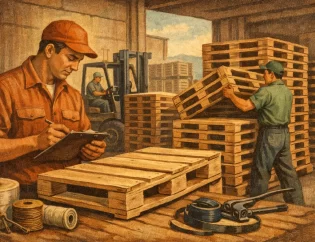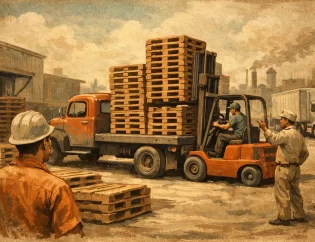
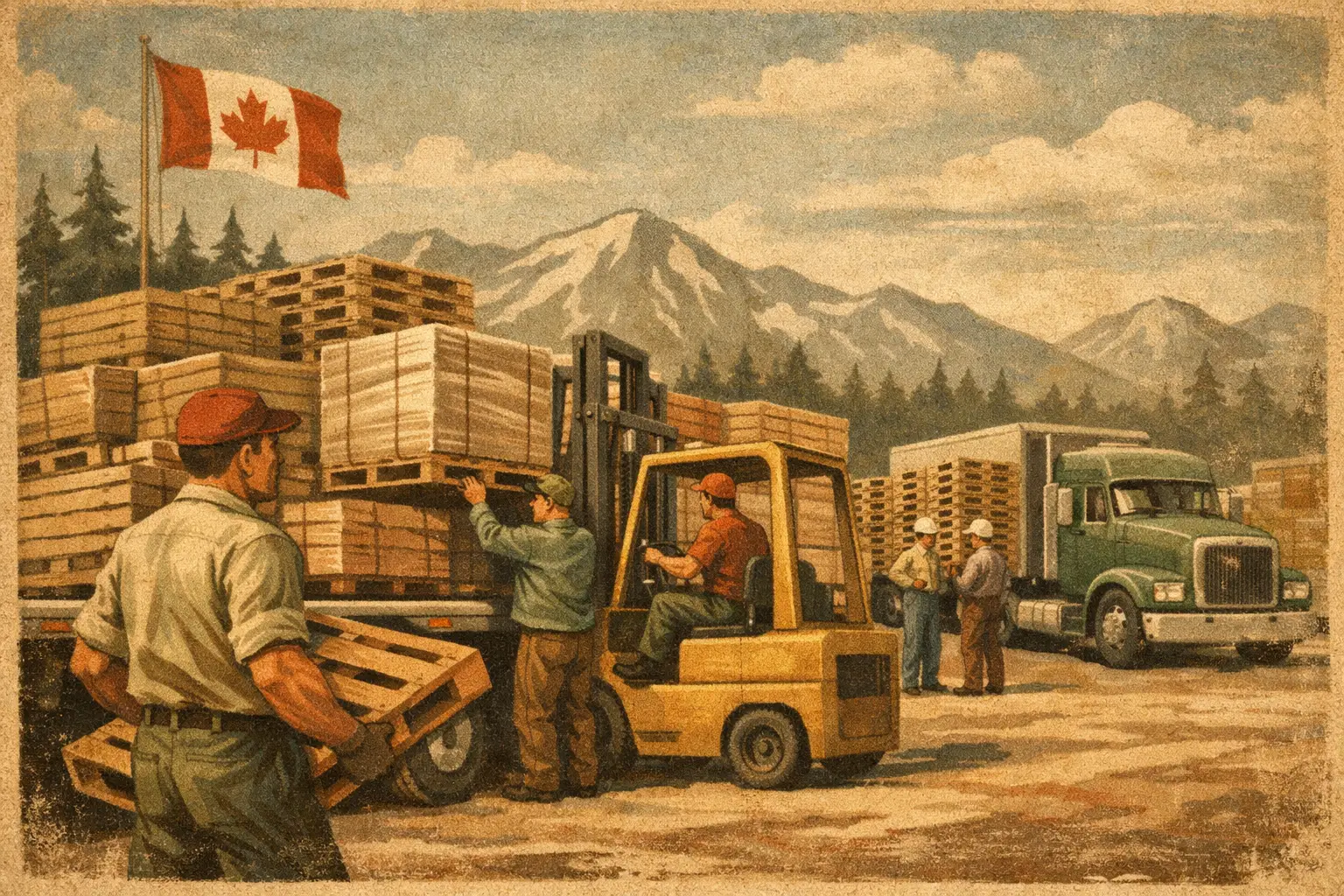
A loading area can become unusable faster than most teams expect. A few rejected shipments, seasonal inventory changes, or a missed collection can leave stacks of empty pallets blocking docks, taking up rack space, and creating a safety concern. Commercial pallet pickup Canada services give businesses a practical way to clear that buildup while keeping usable material in circulation.
For warehouses, manufacturers, distributors, retailers, and logistics providers, pallet removal should not become a recurring administrative problem. The right service model accounts for the number of pallets, their condition, access to the site, and whether your business also needs pallets supplied. That makes pickup one less concern for your operations team.
What Commercial Pallet Pickup in Canada Should Solve
A commercial pickup service is more than a truck arriving to remove unwanted wood. It should solve the operational issues behind pallet accumulation: limited space, inconsistent collection timing, disposal costs, and uncertainty about what happens to recovered material.
Usable pallets may have resale value. Damaged pallets may be repaired, dismantled for parts, or recycled into other wood products. Pallets that cannot be recovered still need to be managed responsibly. Separating these outcomes helps avoid treating every pallet as waste and gives your business a clearer view of the cost or value of its inventory.
The service arrangement depends on the pallet profile. Standard, reusable pallets in strong condition and meaningful volume may qualify for payment. Mixed, broken, contaminated, unusually sized, or low-volume loads can require a paid removal service. In some situations, a free pickup may be available when the recovered inventory supports the cost of collection.
That is why an accurate assessment matters. A provider should ask about pallet type, estimated quantity, condition, pickup frequency, loading access, and site location before setting expectations. Clear details at the start reduce surprises at the dock.
A pickup plan should fit your operation
One-time removal works well after a warehouse cleanup, renovation, or inventory transition. Scheduled pickup is usually the better choice for businesses that generate pallets every week or month. Instead of waiting for stacks to become a problem, your team follows a defined collection cadence that supports available space and shipping activity.
The right frequency is not always the most frequent one. A high-volume distribution center may need regular service to protect dock flow, while a smaller facility may benefit from collecting a larger quantity before scheduling removal. The goal is a reliable plan that prevents overflow without paying for unnecessary trips.
How the Pickup Process Works
A straightforward pallet pickup process keeps internal labor and follow-up to a minimum. Your team provides the basic site and inventory information, the pickup is scheduled, and the pallets are collected for reuse, repair, recycling, or responsible disposal based on their condition.
Before collection, pallets should be placed where they can be safely accessed. This may mean a designated outdoor staging area, a dock door, or another location approved during scheduling. Keeping pallets stacked securely and separated from general waste helps the driver work efficiently and makes it easier to assess reusable material.
Site access matters as much as pallet volume. Gate procedures, appointment rules, limited truck access, security requirements, and restricted receiving hours can all affect scheduling. Sharing these details early allows the provider to assign the right equipment and avoid a failed pickup.
For ongoing accounts, transaction records are especially useful. Operations teams need to know what was removed, when it was collected, and which facility generated the load. Centralized tracking becomes more valuable when several locations are involved, because it reduces the need to chase receipts, emails, and local vendor updates.
Why Multi-Site Pallet Management Reduces Friction
A business with facilities in more than one province can face a familiar problem: each site finds its own local pallet vendor, follows different processes, and reports activity differently. Procurement loses visibility. Facility managers spend time resolving service issues. Leadership has no consistent picture of disposal spending, recovered value, or recycling activity.
A national commercial pallet pickup Canada partner can replace that fragmented approach with one coordinated program. Sites can still have pickup schedules that reflect their local volume and access requirements, while account management, reporting, and service standards remain centralized.
This approach supports practical decision-making. A regional manager can compare activity by site, identify locations that are accumulating excess pallets, and plan service adjustments before storage becomes an issue. Procurement teams can also reduce vendor complexity when pickup, pallet recycling, and pallet supply are handled through one relationship.
Pallet Pickup supports this model by coordinating collection, recycling, resale, and pallet supply for commercial customers across Canada. For businesses managing multiple facilities, online transaction tracking provides a clearer record of activity without requiring every site to maintain a separate process.
The sustainability benefit is operational, too
Reusing and repairing pallets extends the life of material that would otherwise enter the waste stream. Recycling damaged wood supports a more responsible outcome than sending pallets to landfill. Those benefits can support corporate environmental goals, but they also make business sense.
When pallets are recovered rather than treated as mixed waste, companies can reduce hauling pressure, preserve valuable space, and create more consistent material handling practices. Sustainability works best when it is built into a process that operations teams can follow without extra complexity.
What to Look for in a Pallet Pickup Provider
The lowest quoted price is not always the lowest operating cost. A pickup provider that misses appointments, cannot service a remote location, or provides no documentation can create more work for your team than the service saves.
Look first at coverage and scheduling reliability. If you operate in several markets, confirm that the provider can support all required locations rather than only major urban centers. Ask how recurring pickups are managed and what happens when volume changes unexpectedly.
Next, ask how pallet value is assessed. The answer should recognize that size, grade, condition, market demand, and volume affect whether pallets can be purchased, collected at no charge, or removed for a fee. A provider that explains these factors clearly helps you budget accurately and avoid assuming all surplus pallets have the same value.
Finally, consider visibility. Pickup confirmation, transaction records, and multi-location reporting help facilities stay accountable and give corporate teams usable information. This is particularly important for companies tracking waste reduction, recycling activity, or vendor performance.
Prepare Your Facility for Better Pickup Results
Small improvements at the site level can make pallet collection faster and more cost-effective. Keep pallets separate from garbage, plastic wrap, metal, and damaged products whenever possible. Avoid placing loose debris between pallets, since it can affect recoverability and loading safety.
It also helps to separate standard reusable pallets from heavily damaged or unusual sizes. This does not need to become a time-consuming sorting program. Even a simple staging practice gives the collector a better understanding of the load and can speed up the removal decision.
Assigning one site contact is another useful step. That person can confirm access, communicate volume changes, and coordinate with the dock team on pickup day. The result is fewer missed appointments and less time spent clarifying responsibilities.
If your business also purchases pallets, discuss supply needs alongside pickup requirements. Combining pallet removal and supply management can reduce the number of vendors your team manages and help prevent a situation where surplus pallets accumulate at one site while another location is short on inventory.
A pallet program should make space, costs, and responsibilities easier to manage. Start with a clear view of what is accumulating at each facility, then build pickup frequency and reporting around how your operation actually runs. When collection is dependable and recovery is handled responsibly, your dock stays focused on moving products instead of storing problems.