
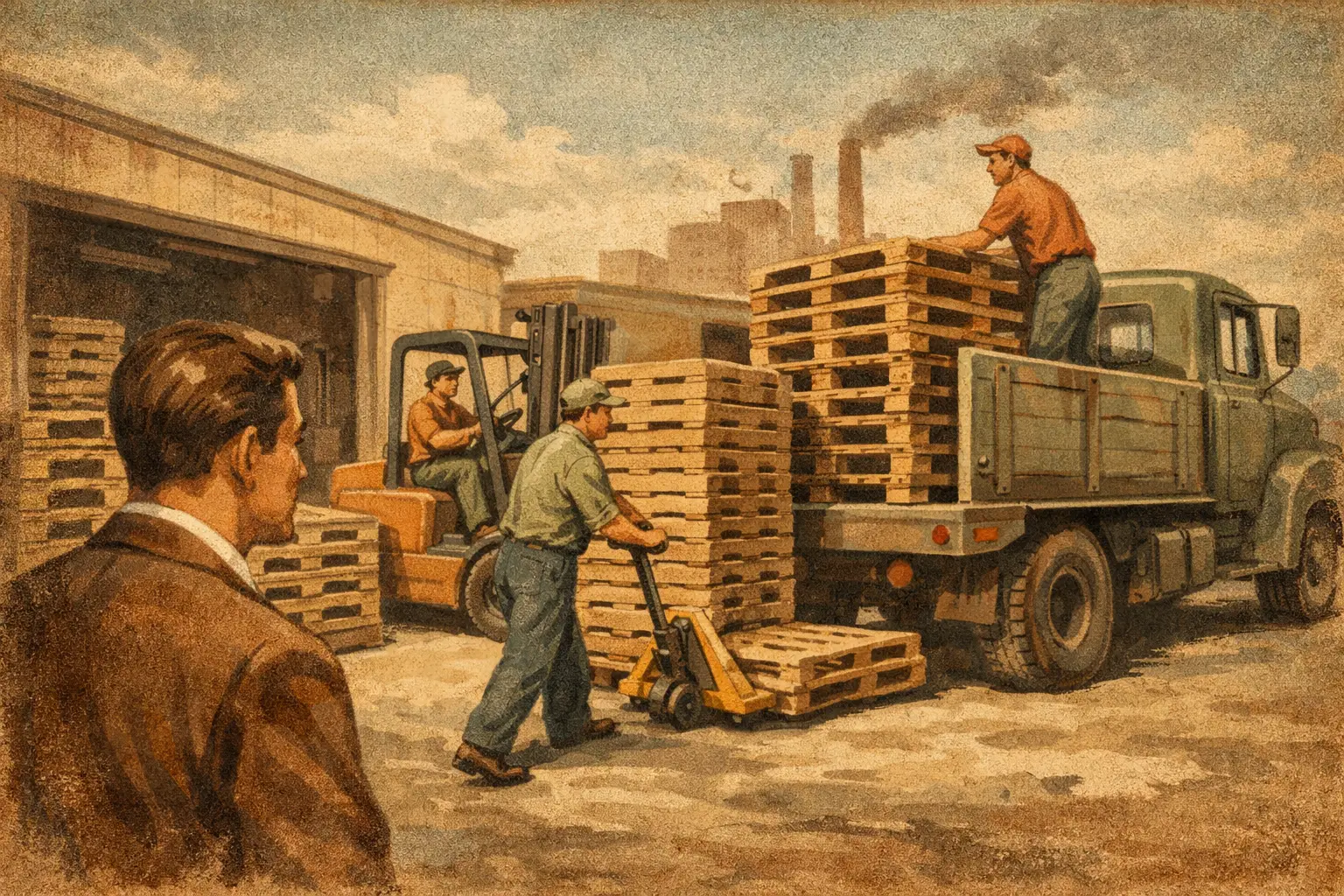
A stack of surplus pallets can become a warehouse problem quickly. It takes up dock space, creates safety concerns, interrupts traffic flow, and often leaves staff searching for a disposal option at the last minute. Understanding how pallet pickup programs work helps businesses turn that recurring problem into a managed process with clearer costs, better visibility, and fewer operational interruptions.
A commercial pallet pickup program coordinates the removal, recovery, recycling, and, when applicable, resale of used pallets. Rather than treating every pallet as waste, a qualified provider evaluates the material based on pallet type, quantity, condition, and local transportation requirements. The result may be free pickup, paid removal, payment for reusable inventory, or a combination of these options.
How Pallet Pickup Programs Work From Request to Removal
The process typically begins when a business shares basic information about its pallet inventory. This includes the pickup location, estimated quantity, pallet sizes, condition, accessibility, and how often pallets accumulate. A warehouse with 500 standard 48-by-40-inch pallets each month requires a different service plan than a retailer with mixed, damaged pallets collected at several locations.
That information allows the pickup provider to determine whether the pallets have resale value, can be repaired, should be recycled, or require disposal. It also helps establish the right equipment and scheduling approach. Some sites can load a trailer at a dock, while others need a truck with liftgate access or a pickup coordinated around limited yard space.
Once the scope is confirmed, the provider schedules a pickup window. For one-time cleanouts, that may be a single appointment. For ongoing pallet generation, a recurring schedule is often more efficient. Weekly, biweekly, or volume-triggered pickups prevent pallet piles from becoming an issue and reduce the need for staff to repeatedly request service.
On pickup day, the driver or collection team verifies the load and removes the pallets. Depending on the agreement, pallets may be counted at the facility, counted after sorting, or tracked through a documented ticket or digital account record. A reliable program makes the transaction visible, particularly when multiple departments or locations are involved.
Pallet Condition Determines the Service Model
Not all pallets are handled the same way. The value and removal cost of a load depend largely on condition, consistency, and volume.
Reusable pallets are typically standard sizes, structurally sound, dry, and free of major contamination. These pallets may be resold directly or repaired before returning to circulation. When a facility generates enough usable pallets, a pickup program may create a revenue opportunity instead of a hauling expense.
Repairable pallets have damage such as broken deck boards, loose components, or minor structural wear, but they can often be restored for reuse. Recycling providers separate these pallets from higher-grade inventory and determine whether repair is economically practical.
Damaged, mixed, nonstandard, wet, contaminated, or low-volume pallets may have limited resale value. In these cases, removal may involve a service charge because labor, transportation, and processing costs exceed the value recovered from the material. This is not necessarily a sign of poor service. It is a practical reflection of the pallet mix and the work required to handle it responsibly.
The most cost-effective approach depends on the site. A manufacturer with a steady flow of standard pallets may qualify for regular value recovery. A facility clearing out years of mixed inventory may need a one-time removal plan. A good program explains the difference upfront so there are no surprises after the truck arrives.
What Happens to Pallets After Pickup?
Pallet pickup is not simply waste removal. After collection, pallets are sorted into recovery paths based on their condition and marketability.
Usable pallets can be inspected and resold to businesses that need dependable shipping platforms. Repairable units may be rebuilt with recovered lumber and placed back into service. Pallets that cannot be repaired can be broken down for wood recycling, reducing the amount of material sent to disposal.
This recovery process matters operationally as well as environmentally. Reusing and repairing pallets can reduce demand for new lumber, extend the life of existing materials, and help businesses document a more responsible approach to shipping waste. For organizations with sustainability targets, pallet recovery offers a tangible, repeatable action that fits within everyday warehouse operations.
It also supports supply continuity. Businesses that both generate surplus pallets and purchase pallets may benefit from working with one provider for collection and supply. Instead of managing separate vendors for removal, recycling, and replacement pallets, the operation has a more centralized system for handling pallet flow.
Scheduling Should Match Your Facility’s Workflow
The best pickup schedule is not always the most frequent one. It should match pallet volume, available staging space, dock activity, and the cost of having material sit onsite.
A high-volume distribution center may need recurring service to keep receiving areas clear. A smaller commercial facility may only need pickup when it reaches a defined quantity. Some businesses use a call-in model, while others prefer scheduled routes with predictable collection dates.
Access is equally important. Pickup providers need to know whether pallets are stacked safely, whether the loading area is accessible to a truck, and whether the site has appointment rules or security procedures. Sharing this information before scheduling prevents delays and helps the driver complete the pickup efficiently.
Businesses can make pickups easier by separating standard, reusable pallets from broken or unusual sizes when practical. This is not always required, but it can improve grading accuracy and clarify which material has recoverable value. Keeping pallets dry and away from contamination also protects their resale and recycling potential.
Tracking Creates Control Across Multiple Locations
For a single warehouse, a pickup confirmation may be enough. For a company with several facilities, regional distribution points, or retail locations, pallet activity can become difficult to manage without centralized records.
A structured pallet pickup program can track pickup requests, completed collections, estimated quantities, pallet categories, service charges, and payments for recovered inventory. This gives operations teams a better view of where pallets are accumulating, how frequently service is needed, and which locations are generating recoverable material.
That visibility can support better budgeting. It can also identify avoidable costs, such as locations paying for emergency waste hauling while other sites have reusable pallets with resale value. Procurement, operations, and sustainability teams can work from the same information instead of relying on separate local vendors and inconsistent paperwork.
For multi-site organizations, consistency is often as valuable as the pickup itself. A single process for requesting service, documenting transactions, and reviewing activity reduces administrative burden and gives leadership a clearer picture of pallet management across the business.
Questions to Ask Before Starting a Pickup Program
Before choosing a pallet pickup partner, ask how they assess pallet value, whether they handle mixed loads, and what factors can lead to removal charges. Confirm how pickup scheduling works, how much notice is required, and whether recurring service is available.
It is also useful to ask how transactions are documented. If your business needs reporting by location, department, or date range, make that requirement clear early. The right provider should be able to explain what information is captured and when final counts or values are confirmed.
Finally, discuss both sides of your pallet flow. If you need removal today but may need replacement pallets next month, a provider that handles recovery and supply can reduce the number of vendors your team has to manage. That flexibility is especially useful when shipment volumes change unexpectedly.
A pallet pickup program works best when it becomes part of the regular facility routine rather than an emergency response to an overcrowded yard. With the right schedule, clear grading expectations, and dependable tracking, surplus pallets become one less concern for your business.