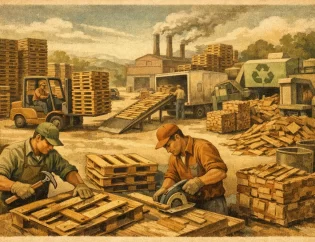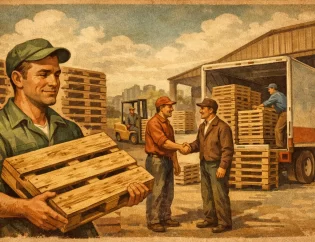
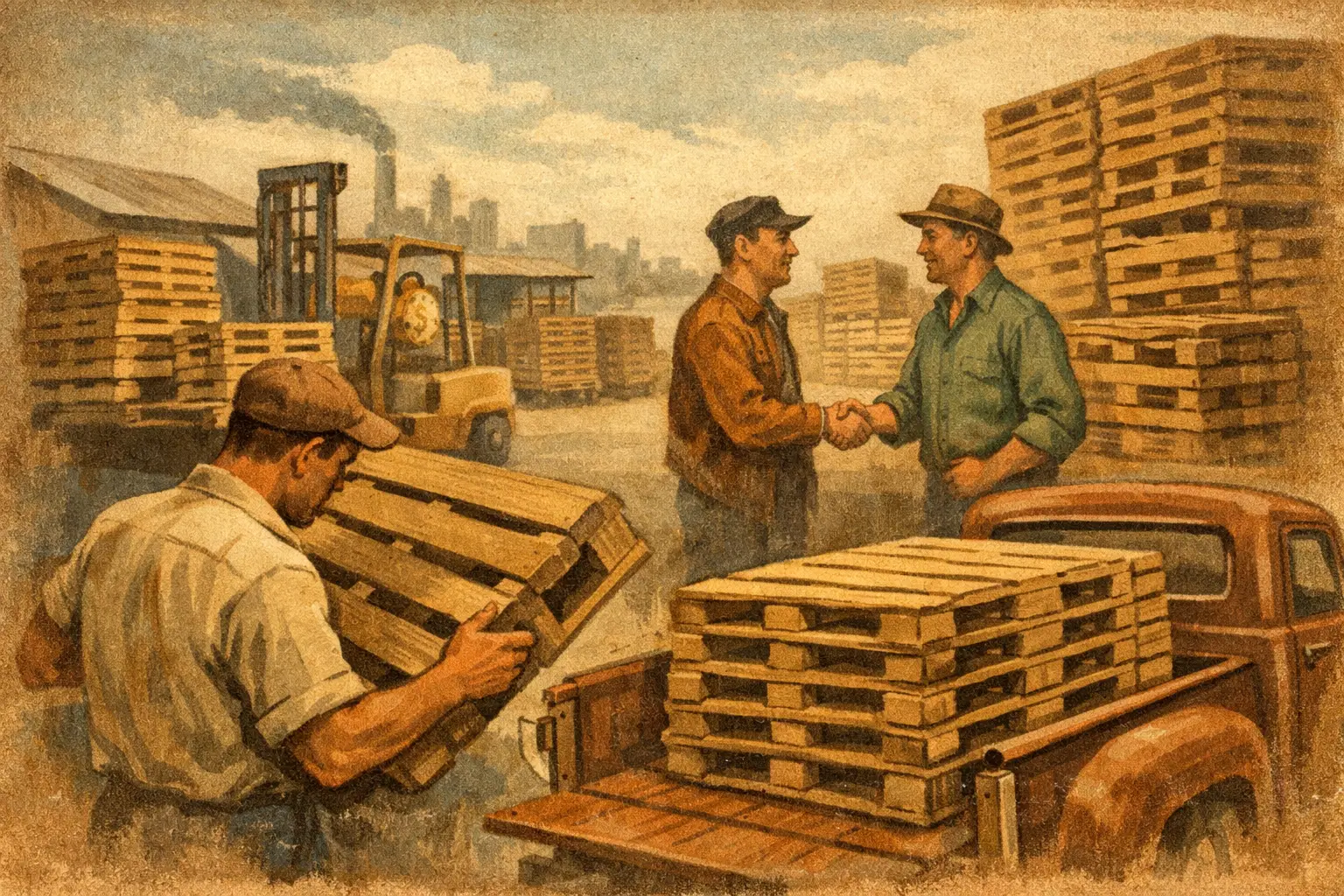
If pallets are stacking up behind your building, the real issue usually is not storage space alone. It is tied-up yard capacity, extra labor, avoidable hauling costs, and one more operational task your team should not have to manage. For businesses asking where to sell wooden pallets, the best answer depends on pallet condition, volume, pickup needs, and whether you need a one-time cleanout or an ongoing recovery program.
Not every pallet has resale value, and not every buyer handles commercial volume well. That is where many businesses lose time. They call local recyclers one by one, get inconsistent answers, and still end up with pallets sitting on site. A better approach is to match your pallet stream to the right type of buyer from the start.
Where to sell wooden pallets
There are several viable channels for selling wooden pallets, but they do not work equally well for every business. The highest-value option is usually a pallet recycling and management company that buys reusable inventory, removes damaged pallets, and can schedule pickups around your operation. This model works especially well for warehouses, manufacturers, retailers, and distribution networks that generate pallets on a recurring basis.
Local pallet buyers are another option, especially if you have standard 48×40 pallets in decent condition. Some pay per pallet, some offer mixed pricing based on grade, and some only provide free removal. The difference matters. If your pallets are mostly reusable, free pickup may leave money on the table. If they are heavily damaged, expecting premium pricing may not be realistic.
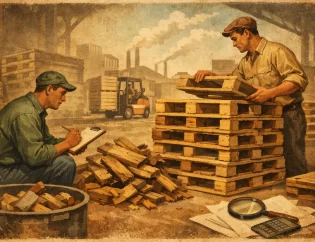
Scrap wood recyclers can also take pallets, but they are usually a better fit for low-grade material than for salable inventory. If the pallets are broken, odd-sized, heavily repaired, or contaminated, recycling may be the practical route. You may not receive payment, but you can still reduce disposal costs and keep material out of the landfill.
Some businesses try selling pallets directly to local end users such as small manufacturers, garden centers, or resellers. That can work for low volume, but it often creates more administrative work than it saves. Coordinating buyers, managing no-shows, and handling uneven demand is rarely efficient when your team is focused on shipping, receiving, and production.
What buyers look for before they pay
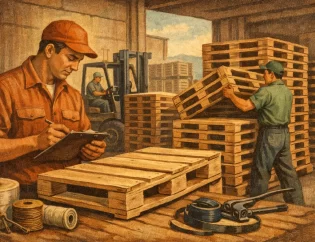
Condition is the first filter. Buyers want pallets that can be reused or repaired economically. Standard sizes, intact deck boards, solid stringers, and limited damage improve resale value. Pallets with major structural damage, excessive staining, or missing components may still be recyclable, but they are less likely to command payment.
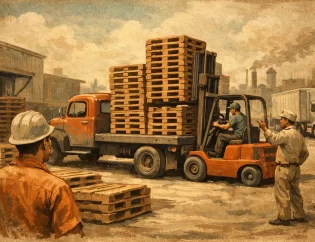
Volume matters almost as much as condition. A truckload or steady weekly quantity is more attractive than a small pile that requires a separate trip. Transportation is a real cost in pallet recovery. A business generating 500 pallets per month has more leverage than one trying to move 20 pallets occasionally.
Consistency also affects value. If your site produces the same pallet sizes and grades on a regular basis, buyers can plan for pickup, sorting, and resale. Mixed loads with unpredictable quality create more labor on the buyer’s side, which often lowers what they are willing to pay.
Location plays a role too. In dense distribution corridors, there may be stronger demand and more frequent routing. In remote areas, freight costs can narrow your options. That does not mean selling is impossible. It just means the right buyer is one with enough network coverage to make pickup practical.
The best option for commercial sellers
For most businesses, the strongest fit is not a casual buyer. It is a commercial pallet partner that can evaluate your inventory, schedule pickups, and tell you clearly whether your pallets qualify for payment, free removal, or paid disposal. That level of clarity helps operations teams plan around cost instead of guessing.
This is especially important if you manage multiple facilities. A single site may be able to work with a local pallet yard, but multi-location operations often run into inconsistent service, different pricing standards, and limited reporting. One provider with coordinated pickup and transaction visibility removes a lot of internal friction.
That is also where pallet recovery becomes more than a cleanup task. It becomes part of cost control, yard management, and sustainability reporting. Recovering reusable pallets can offset expenses. Recycling damaged units reduces waste hauling. Centralized service reduces vendor sprawl. Those gains add up quickly across a network.
When selling pallets is not the right expectation
Some businesses assume every used pallet should generate revenue. In practice, it depends. If pallets have been exposed to weather for long periods, crushed by equipment, or mixed with non-wood debris, the resale market gets narrower. In those cases, the value may come from efficient removal and recycling rather than direct payment.
This is not a bad outcome. Paying a waste hauler to remove bulky wood material is often more expensive than working with a pallet specialist who can sort reusable units from scrap. Even when part of the load has no resale value, recovering the reusable portion can improve the overall financial result.
There are also cases where speed matters more than price. If your dock is congested, trailers need access, or a safety issue is developing, the right buyer is the one who can respond reliably and clear material without disrupting operations. Chasing a slightly higher rate is not always worth it if service is inconsistent.
How to prepare pallets for sale
If you want the best outcome, presentation matters. You do not need to overprocess the load, but basic organization helps buyers assess value faster. Separate standard sizes from odd-sized pallets if possible. Keep reusable pallets stacked safely and apart from obvious scrap. Remove trash, wrap, and non-pallet wood mixed into the pile.
It also helps to estimate quantities honestly. Approximate counts, pallet dimensions, and a few notes on condition allow a buyer to quote more accurately. If your business generates pallets continuously, share that too. Ongoing volume often changes the economics compared with a one-off pickup.
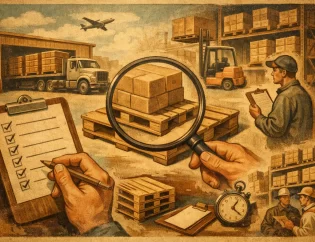
Photos can speed things up as well. A clear view of stack height, pallet type, and overall condition helps determine whether your load is marketable, recyclable, or a mix of both. That means fewer surprises when the truck arrives and a smoother pickup process for your team.
Choosing the right pallet buyer
If you are comparing providers, look beyond whether they say they buy pallets. Ask how they handle mixed conditions, what pallet sizes they accept, whether they serve your area consistently, and what happens if your load includes damaged inventory. A dependable answer is more useful than a vague promise of top dollar.
You should also ask about scheduling and reporting. For commercial operations, pickup windows, account communication, and transaction records matter. The cheapest option on paper can become expensive if pickups are missed, yards overflow, or your team has to manage repeated follow-up.
Sustainability should be part of the conversation too, but in a practical way. The right partner should be able to reuse, repair, and recycle pallets through a process that supports your waste reduction goals without creating more work internally. Environmental results are most valuable when they align with operational efficiency.
For businesses with recurring pallet volume, a managed service model is usually the most efficient route. Companies such as Pallet Pickup work with commercial customers to assess pallet type, condition, and quantity, then build a pickup and recovery plan that fits the site. That can include direct payment for reusable pallets, free pickup in the right situations, or a structured recycling solution when material is not resalable.
Where to sell wooden pallets if you need ongoing pickup
If your business regularly asks where to sell wooden pallets, the better question may be who can manage pallet flow long term. One-off sales solve today’s pile. A recurring pickup program solves the underlying problem.
That matters for facilities that cannot afford overflow in the yard or inconsistency at the dock. With a recurring solution, pallets are removed on schedule, reusable inventory is recovered, and your team does not have to restart the search every few weeks. It becomes one less concern for your business.
The most effective setup is one that matches the reality of your operation. High volumes of standard pallets may generate recurring revenue. Lower-grade or mixed loads may focus more on removal and recycling. Multi-site operations may prioritize visibility and centralized coordination. There is no single formula, but there is a clear pattern: the right buyer is the one built for commercial volume, reliable pickup, and straightforward account management.
If pallets are taking up space, the next step is simple. Treat them like an operational asset stream, not just leftover wood, and you will make better decisions about recovery, cost, and site efficiency.